There is nothing quite like the aroma of fresh cookies wafting through an American kitchen on a Sunday afternoon. While everyone has a standard version, this oatmeal chocolate chip cookie recipe elevates the classic childhood staple into a gourmet experience. By understanding the science of the ingredients and applying a few professional pastry techniques, you will create a cookie that is miles ahead of any bakery version. This guide focuses on achieving that elusive balance of a caramelized, crispy edge and a soft, deeply flavorful center that stays chewy for days.
Why You Will Love This Recipe
Brown Butter Depth: I’ve moved beyond standard softened butter to create a Beurre Noisette, which introduces toasted, nutty notes that harmonize beautifully with the oats. This simple step truly transforms the flavor profile.
The Autolyse Secret: A 30-minute rest period for the dough allows the old-fashioned rolled oats to fully hydrate, ensuring every bite is tender and never gritty. This also helps develop the deep, caramel notes we love.
Triple Texture Experience: You can expect a shatteringly crisp edge, a dense fudgy middle, and that distinct, satisfying bite of whole-grain oats that makes these cookies irresistible.
Scientific Balance: I utilize a specific ratio of dark brown sugar to ensure maximum moisture retention and a rich, complex toffee-like undertone that elevates the entire cookie.
Ingredients Needed
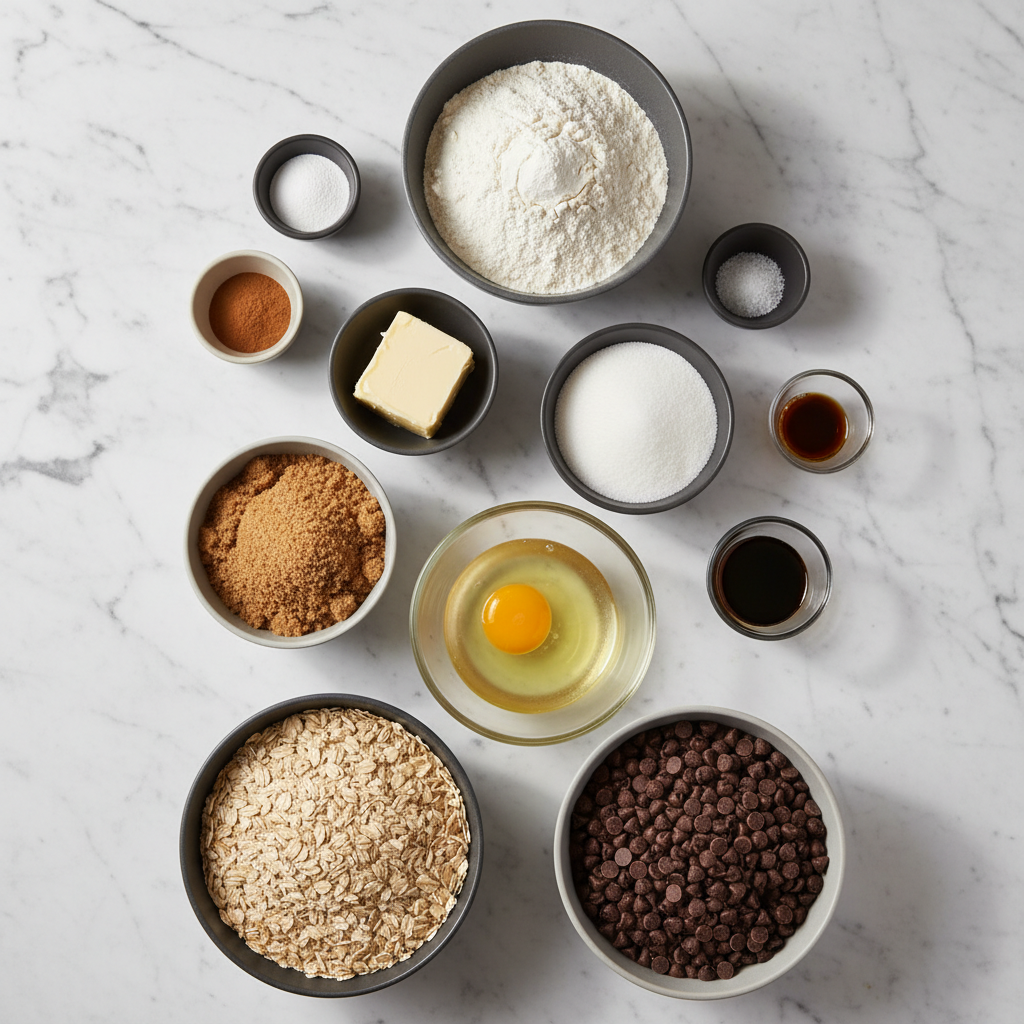
Making great oatmeal chocolate chip cookies starts with understanding each component. Gathering your ingredients and having them ready at the right temperature is key to achieving that perfect texture and flavor.
Ingredients
- 1 ¾ cups (222 grams) all-purpose flour
- 1 teaspoon baking powder
- ½ teaspoon baking soda
- ½ teaspoon fine sea salt
- ¼ teaspoon ground cinnamon
- 1 ½ sticks (170 grams) unsalted butter, at cool room temperature
- 1 ¼ cups (250 grams) packed dark brown sugar
- ¾ cup (150 grams) granulated sugar
- 2 large eggs plus one egg yolk, at cool room temperature
- 1 teaspoon vanilla extract
- 3 cups (297 grams) old-fashioned rolled oats
- 1 ½ cups (255 grams) semisweet chocolate chips
Ingredient Notes and Substitutions
Old-Fashioned vs. Quick Oats: Always reach for old-fashioned rolled oats here for the best structural integrity and chewy texture. Quick oats, while convenient, will make your cookies mushy and won’t give you the desired bite.
Dark Brown Sugar: This ingredient is a secret weapon for chewiness. It contains more molasses than light brown sugar, making it more hygroscopic, meaning it attracts and holds onto moisture, resulting in a much softer cookie that stays fresh longer.
Room Temperature Eggs: It’s crucial that your eggs are not cold straight from the fridge. Using them at cool room temperature prevents the emulsified butter and sugar mixture from breaking or curdling when they are incorporated.
How to Make the Perfect Oatmeal Chocolate Chip Cookie
Crafting these cookies is a delightful process, and each step builds on the last to create that unforgettable taste and texture. Follow these instructions carefully, and you’ll be rewarded with bakery-quality treats.
Building the Flavor Base
- First, we need to prepare the brown butter, or Beurre Noisette. In a small saucepan over medium heat, melt the unsalted butter. Continue cooking, swirling the pan occasionally, until the milk solids settle at the bottom and turn a beautiful golden brown, releasing a wonderfully nutty aroma. Immediately pour the browned butter into a separate heatproof bowl to stop the cooking, and let it cool until it reaches a soft, spreadable consistency, almost like peanut butter. This deepens the flavor immeasurably.
- While the butter cools, prepare your dry ingredients. In a medium bowl, gently whisk together the all-purpose flour, baking powder, baking soda, fine sea salt, and ground cinnamon. Set this fragrant mixture aside for later.
- In a large bowl, using a stand mixer fitted with the paddle attachment, beat the cooled brown butter with the packed dark brown sugar and granulated sugar on medium-high speed for 1 to 2 minutes. You want this mixture to be smooth and thoroughly combined, ready for the next additions.
Assembling and Resting the Dough
- Now, it’s time to emulsify. Add the 2 large eggs, plus the extra egg yolk, and the vanilla extract to the butter and sugar mixture. Beat this on medium-high speed until the mixture becomes notably pale and fluffy, signifying a well-emulsified base.
- With the mixer on low speed, gradually add the reserved flour mixture until it is just combined. Be careful not to overmix at this stage; we want to avoid overdeveloping the gluten. Then, remove the bowl from the mixer and, using a sturdy spatula, fold in the old-fashioned rolled oats and the semisweet chocolate chips by hand.
- The 30-Minute Rest, or “Autolyse” phase, is where the magic happens. Cover the dough and let it sit at room temperature for 30 minutes. This crucial step allows the oats to fully hydrate and soften, while the flour absorbs moisture, setting the stage for a richer flavor and intensifying the Maillard reaction during baking, ensuring a superior, chewy texture.
Baking to Perfection
- After the rest, preheat your oven to 350°F (175°C). Line large baking sheets with parchment paper for easy cleanup and even baking. Using a large 3-tablespoon spring-loaded scoop, form balls of dough and place them onto the prepared sheets. Gently flatten each dough ball slightly with the bottom of a flat-bottomed cup or glass; this helps them bake evenly and develop those lovely crispy edges.
- Bake the cookies for 14 to 15 minutes, rotating the cookie sheets halfway through for even cooking. You’ll know they’re perfectly done when the edges are lightly golden brown and set, but the center still looks a bit soft or slightly underbaked. For an even softer result, I sometimes pull them at 12 minutes. Remember, they will continue to firm up as they cool.
- Allow the freshly baked cookies to cool on the baking sheets for 5 minutes. This brief rest period helps them set and prevents them from breaking. After 5 minutes, carefully transfer them to a wire rack to cool completely, though I doubt they’ll last long before eager hands grab them!
The Secret Science Behind the Perfect Chew
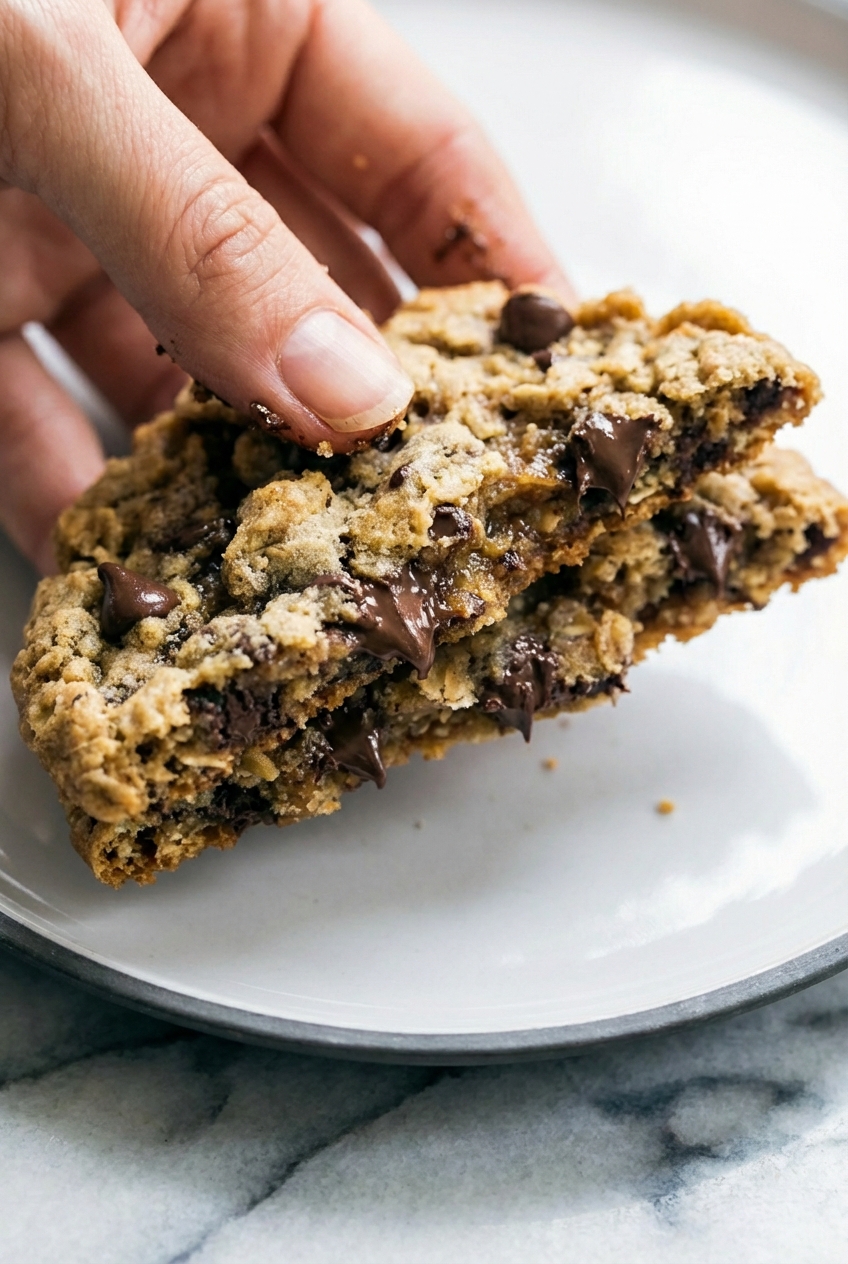
In my years of baking, I’ve learned that truly exceptional cookies are a blend of passion and precise science. Understanding these small details makes all the difference.
The Digital Scale Advantage: Measuring flour by volume, with cups, often leads to over-packing and inconsistent results, which in turn can lead to dry, hard cookies. This is why I always encourage using a digital kitchen scale for precise weight measurements, like the grams provided in this recipe.
The Windowpane Test for Dough: Your cookie dough should feel tacky to the touch, but not sticky. This indicates proper hydration and gluten development, which is crucial for that perfect chew.
Toasting the Oats: For an extra layer of depth, you can quickly toast your old-fashioned rolled oats in a dry skillet for about 3 minutes, or until they release a delightful popcorn-like aroma, before adding them to the dough. This really enhances their nutty flavor profile, much like the depth brown butter brings to brown butter cookies.
The Sugar Science: The hygroscopic properties of dark brown sugar are incredibly important here. This type of sugar actively draws in and retains moisture, meaning it keeps your cookies wonderfully soft and chewy even after they have cooled completely, as explained by Iowa State University Extension. This also helps with the role of alkaline environments in the Maillard reaction for better browning.
Pro Tips and Troubleshooting
Even the most seasoned bakers run into issues sometimes. Here are my favorite professional tips and common mistakes to help you master this oatmeal chocolate chip cookie recipe.
Professional Baking Tips
- If you’re baking above 3,000 feet, you might need to make a slight adjustment. Increase the flour by 2 tablespoons and slightly reduce the sugar to prevent your cookies from collapsing.
- For a thicker, less-spread cookie, try my freezer trick. Chill the portioned dough balls for 15 minutes in the freezer while your oven preheats.
- To make the chocolate flavor pop and add a little something extra, consider adding 1/2 teaspoon of espresso powder to your dry ingredients. If you love dense, fudgy centers, you might also enjoy these chewy brownie cookies.
- Always check the freshness of your baking soda and baking powder by testing a pinch in vinegar or hot water before you start. Active leavening agents are crucial for cookie lift.
Common Mistakes to Avoid
- Over-creaming: Beating the butter and sugar for too long incorporates too much air. This can cause cookies to puff up dramatically in the oven and then flatten into thin, greasy puddles.
- Using Greasy Butter: If your brown butter is still liquid or too warm when combined with the sugars, the cookies will spread excessively in the oven, resulting in a thin, crispy texture rather than a chewy one.
- Substituting Oats: Resist the urge to use instant oatmeal packets. Their added starches and fine texture will ruin the desired structure and chewiness of these cookies.
- Reducing Sugar: Sugar isn’t just for sweetness; it’s a critical liquid ingredient when melted. Reducing the sugar can lead to dry, crumbly cookies that don’t spread properly.
Serving and Storage
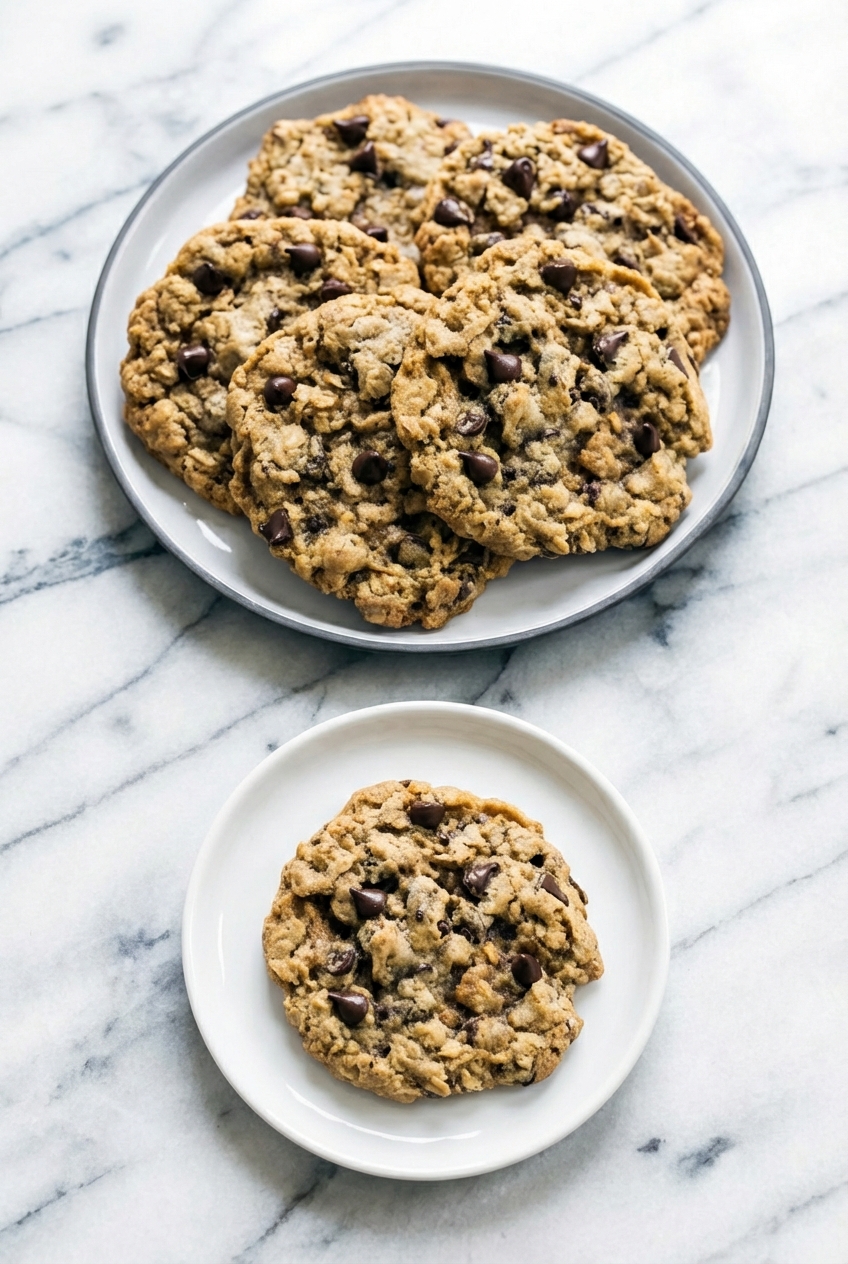
These oatmeal chocolate chip cookies are wonderful on their own, but a few simple additions can make them truly shine.
Creative Serving Ideas
- My favorite finishing touch is sprinkling a tiny pinch of flaky sea salt (like Maldon) on the warm cookies right after they come out of the oven. It beautifully balances the sweetness.
- For a decadent treat, use these cookies to sandwich a scoop of your favorite salted caramel or vanilla bean ice cream. They make fantastic homemade ice cream sandwiches.
- Serve them warm with a tall, cold glass of oat milk. This classic pairing really emphasizes the wholesome grain profile of the cookies. You can also pair them with a rich tray of fudgy brownies for a varied dessert spread.
Storage and Make-Ahead Instructions
- To keep your cookies wonderfully soft for up to a week, store them in an airtight container with a piece of a flour tortilla or a slice of white bread. The moisture from the bread helps keep the cookies tender. This trick works for other classics like peanut butter cookies too!
- The dough balls can be frozen for up to 3 months. Simply scoop and form them, then freeze on a parchment-lined tray until solid before transferring to an airtight freezer bag. You can bake them directly from frozen, adding about 2 minutes to the total bake time.
- To revive a slightly stale cookie and bring back that oven-fresh texture, microwave it for about 10 seconds wrapped in a slightly damp paper towel. It works wonders!
Master Your Baking Craft
Creating the perfect oatmeal chocolate chip cookie is truly a blend of culinary art and precise chemistry. By embracing techniques like browning the butter and allowing the dough that crucial rest time, you’re utilizing professional secrets that transform simple ingredients into something truly extraordinary. This recipe ensures that your cookies will be the highlight of any gathering, offering a sophisticated flavor profile and an irresistible chew that satisfies both children and connoisseurs alike.
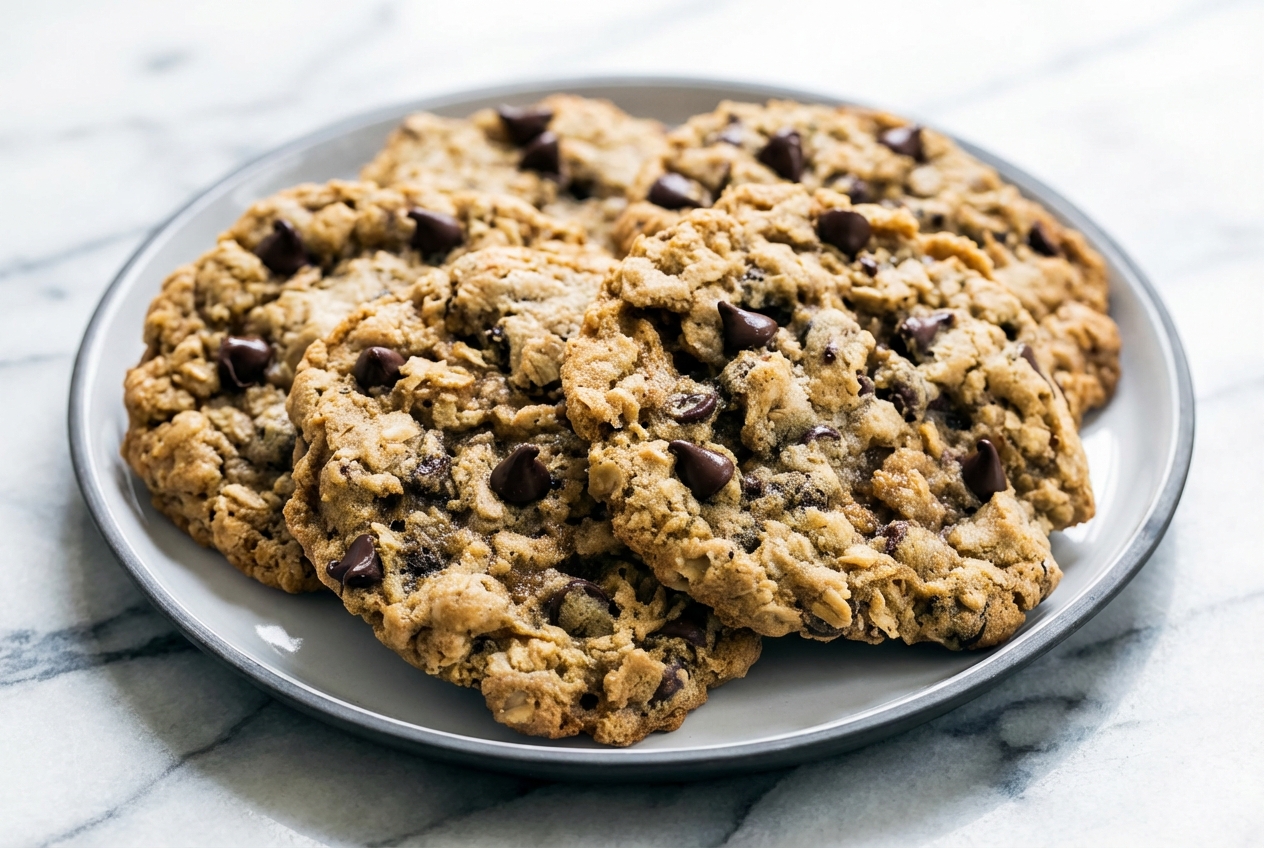

Soft And Chewy Oatmeal Chocolate Chip Cookie Recipe
Ingredients
Equipment
Method
- Prepare the brown butter by melting unsalted butter in a small saucepan over medium heat. Continue cooking and swirling until milk solids turn golden brown and smell nutty. Pour into a heatproof bowl and let cool until it reaches a soft, spreadable consistency.
- In a medium bowl, whisk together the all-purpose flour, baking powder, baking soda, sea salt, and ground cinnamon. Set aside.
- Using a stand mixer with the paddle attachment, beat the cooled brown butter with the dark brown sugar and granulated sugar on medium-high speed for 1 to 2 minutes until smooth.
- Add the eggs, extra egg yolk, and vanilla extract to the butter mixture. Beat on medium-high speed until the mixture is pale and fluffy.
- Reduce mixer speed to low and gradually add the flour mixture until just combined. Use a spatula to fold in the old-fashioned rolled oats and chocolate chips by hand.
- Cover the dough and let it rest at room temperature for 30 minutes. This autolyse phase allows the oats to hydrate for a better texture.
- Preheat your oven to 350°F (175°C) and line baking sheets with parchment paper. Use a 3-tablespoon scoop to form dough balls and place them on the sheets. Flatten each ball slightly with the bottom of a glass.
- Bake for 14 to 15 minutes, rotating the sheets halfway through. Remove when edges are golden but the centers still look soft.
- Let the cookies cool on the baking sheets for 5 minutes to set, then transfer to a wire rack to cool completely.
Notes
Frequently Asked Questions
What is the best type of oats for cookies?
For this recipe, old-fashioned rolled oats are absolutely the best choice. Their robust texture holds up beautifully in the dough, providing that signature chewy bite. Steel-cut oats are too tough and take too long to soften, while instant oats are too fine and can result in a mushy cookie.
Why are my oatmeal cookies hard instead of chewy?
The most common culprit for hard cookies is over-baking. To achieve that perfect chewy texture, you need to pull your cookies from the oven when the edges are set but the center still looks slightly underbaked or soft. They will continue to cook and firm up as they cool on the baking sheet.
How do I store oatmeal cookies to keep them soft?
To maintain maximum softness, store your oatmeal chocolate chip cookies in an airtight container at room temperature. A fantastic trick is to add a small piece of a flour tortilla or a slice of white bread into the container; the moisture from the bread will help keep the cookies tender for several days.
Can I freeze oatmeal chocolate chip cookie dough?
Absolutely! Freezing the dough is a brilliant make-ahead strategy. Simply scoop the dough into individual balls, place them on a parchment-lined baking sheet, and freeze until solid. Once firm, transfer the dough balls to an airtight freezer-safe bag or container. They can be stored for up to 3 months and baked directly from frozen, adding a couple of minutes to the baking time.
How can I make my cookies perfectly round?
For perfectly round cookies, try the “cookie scoot” technique. Immediately after removing the baked cookies from the oven, while they are still hot and pliable, take a round cookie cutter or a large round glass that is slightly larger than your cookie. Place it over a cookie and gently swirl it around the cookie. This pushes the warm edges inwards, creating a beautiful, uniform circle.
Printable Recipe Card
Want just the essential recipe details without scrolling through the article? Get our printable recipe card with just the ingredients and instructions.