Super Moist Buttermilk Cornbread Recipe: Easy & Tender

by Lily

Published on:

A close-up of a golden-brown wedge of fluffy cornbread recipe, steam gently rising, ready to be enjoyed.

There is nothing quite like the comforting aroma of freshly baked cornbread filling my kitchen. It conjures up images of cozy family meals and simple, delicious pleasures. Today, I am thrilled to share my go-to cornbread recipe, a true game-changer that consistently delivers a super moist and wonderfully tender result. Whether you are craving a warm slice with your favorite stew or looking for the perfect accompaniment to a hearty chili, this easy-to-follow recipe will become a cherished staple in your home.

Why You’ll Love This Recipe

My quest for the perfect cornbread recipe led me to a simple yet powerful twist that makes all the difference. This recipe stands out because it guarantees an incredibly moist texture every single time.

The secret is simple: I replace a quarter cup of regular milk with a quarter cup of buttermilk or even a plain full-fat yogurt, thinned with a splash of milk if it is too thick. This seemingly small adjustment works wonders for the cornbread. The acidity in the buttermilk or yogurt reacts beautifully with the baking powder, boosting its leavening power. This creates a lighter, fluffier crumb that simply melts in your mouth.

The added fat content from the buttermilk or yogurt also contributes to a more tender and moist texture, ensuring your cornbread is never dry. Furthermore, the subtle tang from the acidity perfectly balances the sweetness of the sugar, adding a delightful complexity to the flavor profile. The result is a super moist, sweet, golden, delicious, and crumbly-tender cornbread that is quick to prepare, perfect for any family meal, budget-friendly, and an absolute crowd-pleaser.

Ingredients Needed
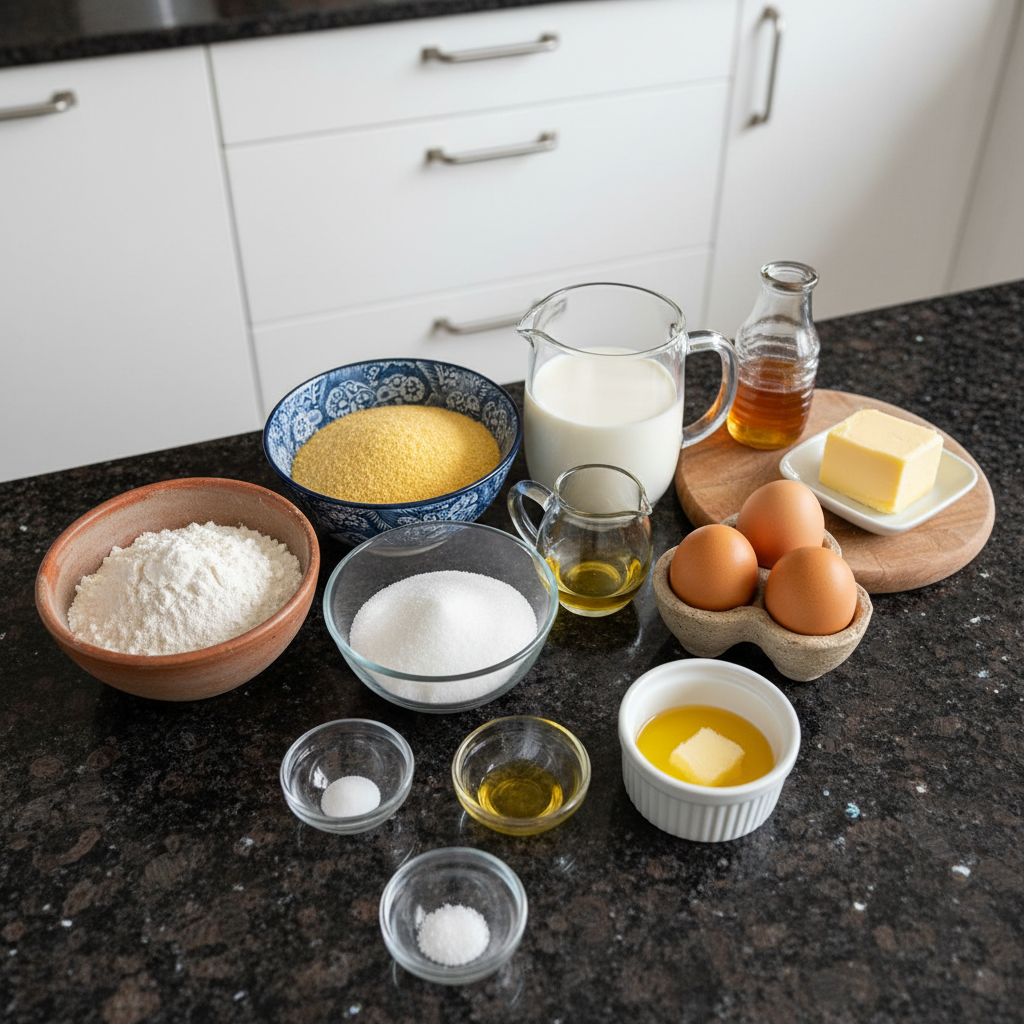
All fresh ingredients for a homemade cornbread recipe, including cornmeal, flour, milk, and eggs, laid out on a rustic wooden table.

  • 2 cups flour
  • 1 cup cornmeal
  • 1 cup sugar
  • 1 ½ tablespoons baking powder
  • 1 teaspoon salt
  • ½ cup (8 tablespoons) butter (melted)
  • ½ cup oil
  • 1 ¼ cups milk
  • 3 large eggs
  • honey and extra butter for serving (optional)

Ingredient Notes & Substitutions

Flour: For this cornbread recipe, I always recommend using all-purpose flour. It provides the ideal structure and tenderness. If you have dietary restrictions, a good quality gluten-free flour blend might work, though I have not personally tested it with this specific recipe.

Cornmeal: The type of cornmeal you choose truly impacts the texture of your cornbread. For that perfect balance of structure and crumbly tenderness, I recommend a medium-grind cornmeal. Fine-grind cornmeal can make the cornbread too cake-like, while coarse-grind can make it too crumbly. This recipe uses traditional cornmeal to great effect.

Sugar: Sugar in cornbread does more than just sweeten it; it also contributes to its moistness and helps with browning. This is a sweeter, Northern-style cornbread. If you prefer a less sweet profile, you can reduce the sugar by about a quarter cup. See the FAQ section for more on adjusting sweetness.

Leavening Agents (Baking Powder): Baking powder is our key leavening agent, ensuring a good rise and a light texture. The buttermilk or yogurt in this recipe further enhances the action of the baking powder, contributing to that extra fluffy crumb we are aiming for.

Fat (Butter & Oil): Using a combination of melted butter and oil is essential here. Butter brings a wonderful depth of flavor, while a neutral oil like vegetable or canola oil ensures maximum moisture. The melted fat integrates seamlessly into the batter, contributing to a tender texture.

Milk (Buttermilk/Yogurt): This is where our unique twist comes in! You will replace a quarter cup of the milk with either buttermilk or a thinned plain full-fat yogurt. If you do not have buttermilk on hand, you can easily make your own DIY version by adding one tablespoon of lemon juice or white vinegar to a measuring cup, then filling it with regular milk until it reaches one cup. Let it sit for 5-10 minutes until it slightly curdles before using.

Eggs: Eggs are crucial as a binder in this cornbread recipe. They add richness and moisture, helping to hold the cornbread together and preventing it from becoming overly crumbly, a common mistake many bakers encounter.

How to Make Super Moist Cornbread

Making this super moist cornbread is a straightforward process. Follow these steps carefully for a delicious result.

Prepare Your Pan & Preheat Oven

First things first, preheat your oven to 350 degrees F (175 C). While the oven heats, generously grease a 9×13 inch baking pan. I like to make sure every corner and side is coated. Thorough greasing is incredibly important for easy release once baked and contributes to deliciously crispier edges.

Combine Dry Ingredients

In a large bowl, take your time to whisk together the flour, cornmeal, sugar, baking powder, and salt. You want a well-combined mixture, free of any large lumps, to ensure that the leavening agents are evenly distributed throughout the batter. This step is key for a consistent rise.

Mix Wet Ingredients

In a separate medium bowl, combine the melted butter, oil, the milk (or your buttermilk/yogurt mixture as per our unique twist), and the three large eggs. Whisk these wet ingredients together thoroughly until they are well blended and smooth. This ensures everything is ready to be incorporated evenly.

Combine Wet & Dry

Now, gently add the wet ingredients into the bowl with the dry ingredients. Mix until just combined. The key here is not to overmix; a few small lumps in the batter are perfectly fine and even desirable. Overmixing can develop the gluten in the flour, leading to a tough cornbread instead of the tender texture we are aiming for.

Bake to Golden Perfection

Transfer the batter evenly into your prepared 9×13 inch baking pan. Smooth the top with a spatula if needed. Place it in the preheated oven and bake for 35-45 minutes. You are looking for a beautiful golden-brown top and edges. To check for doneness, insert a toothpick into the center; it should come out clean or with only a few moist crumbs, never wet batter.

Cool & Serve

Once baked, resist the urge to cut into it immediately! Allow the cornbread to cool in the pan for 15-20 minutes before cutting it into squares. This cooling period helps the cornbread set properly, making for much cleaner cuts and preventing any crumbliness. Serve your warm cornbread with extra butter and a drizzle of honey if desired. I often spread honey on top while it is still piping hot for extra moistness and flavor.

Initial Storage

If you happen to have any leftovers, store them in an airtight container at room temperature for up to 3 days, or in the refrigerator for up to 1 week. This ensures your delicious cornbread stays fresh and moist for longer.

Understanding Cornbread Styles & Baking Pans

Let us delve a little deeper into the world of cornbread to understand where this particular cornbread recipe fits in and how to best utilize different baking vessels.

Southern vs. Northern Cornbread: Where This Recipe Fits

There is a delightful, long-standing debate about cornbread styles, primarily between Southern and Northern traditions. Southern-style cornbread is typically made without sugar, often with bacon grease or shortening, and uses a coarser cornmeal for a more savory, crumbly texture. It is dense and often paired with hearty greens or chili. Northern-style cornbread, on the other hand, usually includes sugar and often more flour, resulting in a sweeter, more cake-like, and moist loaf. This recipe, with its generous sugar content and buttermilk twist for added moisture and tenderness, definitely falls into the sweet, moist Northern-style cornbread category. It is perfect for those who enjoy a richer, cake-like texture with a balanced sweetness.

Choosing and Preparing Your Baking Pan

The right baking pan and proper preparation can elevate your cornbread experience, especially if you are aiming for a crispy crust.

9×13 Inch Baking Pan: This recipe is perfectly designed for a standard 9×13 inch baking pan, and the specified baking times reflect this. It yields a good-sized loaf perfect for sharing.

Cast Iron Skillet: For a truly exceptional crispy crust, a cast iron skillet is my secret weapon. To achieve this, preheat your cast iron skillet with a tablespoon or two of butter or oil in the oven while it preheats. Once hot, carefully pour your batter into the sizzling fat. This creates a beautifully crispy bottom and sides. You can grease it with butter, shortening, or even bacon grease for extra savory flavor.

Muffin Tin: If you prefer individual portions, cornbread muffins are a fantastic option. For muffin tins, I suggest baking at a slightly higher temperature, around 400F (200C), for a shorter duration, typically 18-25 minutes. Make sure to grease each cavity thoroughly or use paper liners to prevent sticking.

Glass Baking Dish: While metal pans conduct heat more efficiently, a glass baking dish retains heat differently. You might find that cornbread baked in a glass dish requires a slight adjustment to the baking time, often needing a few extra minutes. Always grease glass dishes carefully to ensure easy release.

Best Way to Grease the Pan: Beyond just greasing, consider the type of fat. Butter offers a rich flavor, while oil or shortening are also effective. For an extra special touch and to prevent sticking, you can even dust the greased pan with a light layer of cornmeal before adding the batter. This adds a delightful crunch to the crust.

Pro Tips & Troubleshooting

Even the best recipes can benefit from a few expert insights and a guide to avoiding common pitfalls. Here are my top tips and troubleshooting advice for perfect cornbread.

Pro Tips for Perfect Cornbread

Do not Overmix: This is perhaps the most critical tip for tender cornbread. Mix the wet and dry ingredients only until they are just combined. A few small lumps are perfectly acceptable. Overmixing develops gluten, which leads to a tough, dry texture, a common cornbread mistake.

Accurate Measuring: Proper measurement of dry ingredients, especially flour and cornmeal, is vital. Spooning and leveling flour ensures you do not add too much, which can throw off the moisture balance and result in a crumbly cornbread.

Room Temperature Ingredients: Using eggs and buttermilk or milk at room temperature ensures they incorporate smoothly into your batter. This helps create a more even crumb and a better rise for your cornbread.

The Buttermilk Advantage: Remember our unique buttermilk or yogurt twist. The acidity in buttermilk reacts with the baking powder, contributing significantly to that coveted moisture, tenderness, and a lighter crumb that defines this cornbread recipe.

Preheat Your Pan (Especially Cast Iron): As mentioned, for an undeniably crispy crust, especially when using a cast iron skillet, preheat it with a little fat in the oven. This creates an immediate sear on the batter.

Cool Before Cutting: Patience is a virtue when it comes to cornbread. Allowing it to cool for the recommended time in the pan helps it set, resulting in cleaner, less crumbly cuts and a more stable structure.

Golden-Brown Doneness: Do not pull your cornbread out too early. A rich, golden-brown color on top, coupled with a clean toothpick (or one with only moist crumbs, not wet batter) when inserted into the center, are the best indicators of perfectly baked cornbread.

Honey While Hot: For the ultimate moistness and a lovely glaze, drizzle a little honey over your hot cornbread straight from the oven. It soaks in beautifully.

Common Cornbread Mistakes to Avoid

Too Much Flour or Wrong Type: Using too much flour, or the wrong type of flour, can lead to dry and crumbly cornbread. Stick to all-purpose flour and use proper measuring techniques, like the spoon and level method, to ensure accuracy.

Too Much Cornmeal: While cornmeal is essential, excessive amounts can make your cornbread too crumbly because it lacks the gluten that flour provides to bind the batter. Follow the specified quantity and opt for a medium grind for the best texture.

Not Using Eggs: Eggs are a crucial binder in cornbread. Without them, or with too few, your cornbread can fall apart easily. They also add richness and moisture, so do not skip them.

Overbaking: This is a primary culprit for dry cornbread. Keep a close eye on your baking time and start checking for doneness a few minutes before the minimum suggested time, especially if your oven runs hot.

Gummy Texture or Sinking Center: If your cornbread is gummy or has a sinking center, it is often a sign of underbaking, too much liquid, or insufficient or old leavening agents. Ensure your oven temperature is accurate and that your baking powder is fresh.

Tough Texture from Overmixing: As emphasized in the tips, overmixing develops the gluten in the flour, making the cornbread tough instead of tender and fluffy. Mix only until the ingredients are just combined.

Serving & Storage

Now that you have perfected your super moist cornbread, let us talk about the best ways to enjoy and preserve it.

Delicious Serving Ideas

This cornbread recipe is incredibly versatile and pairs beautifully with a variety of dishes.

Classic Pairings: My favorite way to serve it is simply warm with a generous smear of butter and a drizzle of honey. It also shines with various fruit jams and jellies for a delightful breakfast or snack.

Savory Companions: This cornbread is the ultimate companion to hearty savory meals. It is a must-have with a big bowl of chili, perfect alongside roast chicken, turkey, or pork. It is also exceptional when served with warming soups and stews, soaking up all the delicious juices.

Creative Toppings: Elevate your cornbread with a sprinkle of flaky sea salt for a sweet-and-savory contrast, fresh herbs like chives or rosemary, or a dollop of cool sour cream for added creaminess.

Storage & Reheating Instructions

Proper storage ensures your homemade cornbread remains fresh and delicious for as long as possible.

Room Temperature Storage: Leftover cornbread can be stored in an airtight container at room temperature for up to 3 days. This is great for quick access throughout the week.

Refrigeration: For extended freshness, place your cornbread in an airtight container and store it in the refrigerator for up to 1 week. This is especially good in warmer climates.

Freezing: Cornbread freezes beautifully! Once completely cooled, wrap individual slices or the entire loaf tightly in plastic wrap, then in a layer of aluminum foil or a freezer-safe bag. It can be stored in the freezer for up to 2-3 months. Thaw at room temperature for a few hours or overnight in the refrigerator before reheating.

Reheating Leftovers: To restore your cornbread to its freshly baked glory, I recommend a few methods:

  • Oven: For the best results, wrap individual slices or the whole loaf in aluminum foil and heat at 300°F (150°C) for 10-15 minutes, or until warmed through. For a crisper crust, you can reheat it directly on a baking sheet for a shorter time.
  • Microwave: This is the quickest method for individual slices, taking about 30-60 seconds. Be aware that microwaving may soften the crust.
  • Air Fryer: For small pieces, heat in an air fryer at 300°F (150°C) for a few minutes until warmed through and slightly crisped.

Conclusion

I am confident that this super moist cornbread recipe, with its special buttermilk twist, will become a beloved staple in your home. The balanced flavor and incredibly tender texture truly set it apart, making it a joy to bake and even more delightful to eat. It is an easy cornbread recipe to master, perfect for both beginners and seasoned cooks alike.

Do not hesitate to try out the recommended variations and serving ideas to make it your own. Whether you serve it with a hearty chili, a simple pat of butter, or a drizzle of golden honey, this cornbread is sure to bring warmth and comfort to your table. I encourage you to print this recipe, share it with friends, and explore other comforting food recipes on my blog. Happy baking!

FAQ

Why does my cornbread crumble and how can I prevent it?

Cornbread often crumbles due to over-mixing the batter, using too much cornmeal relative to flour, or insufficient fat or eggs in the recipe. To prevent this, ensure you mix until just combined, use the specified quantities for ingredients, and do not skip the eggs, as they act as a crucial binder.

What are the best add-ins to customize my cornbread recipe?

This cornbread recipe is wonderful for customization! For savory twists, try adding shredded cheddar cheese, diced jalapenos (fresh, candied, or pickled), green chilies, whole kernel corn, minced garlic, chives, rosemary, thyme, or crumbled bacon. For sweeter variations, orange zest or dried cranberries are delightful additions.

Can I use different baking pans like glass dishes or cast iron skillets for cornbread?

Absolutely! This recipe works well in various baking pans. For a crispy crust, preheat a cast iron skillet with butter or oil in the oven before adding the batter. Glass dishes might require a slight adjustment to baking time, often a few minutes longer, due to how they retain heat. For muffin tins, bake at a slightly higher temperature for a shorter duration, remembering to grease each cavity thoroughly.

How long does homemade cornbread last and what are the best storage methods?

Homemade cornbread lasts for up to 3 days when stored in an airtight container at room temperature. In the refrigerator, it can stay fresh for up to 1 week. For longer storage, wrap it tightly and freeze it for 2-3 months. Thaw at room temperature or reheat from frozen.

What dishes pair well with sweet and moist cornbread?

This sweet and moist cornbread pairs beautifully with classic comfort foods. It is excellent with chili, roast chicken, turkey, or pork. It is also a perfect accompaniment to a variety of soups and stews. For a simple treat, serve it with butter, honey, or your favorite jams.

How can I adjust the sweetness level of this cornbread recipe?

While this is a sweeter Northern-style cornbread recipe, you can easily adjust the sweetness. Simply reduce the amount of sugar by about a quarter cup if you prefer a less sweet profile. The subtle tang from the buttermilk twist in this recipe also helps to naturally balance the sweetness.

What kind of flour should I use for cornbread?

For this cornbread recipe, I recommend using all-purpose flour. It helps achieve a tender and consistent crumb, providing the perfect structure for the moist texture.

How to troubleshoot dry cornbread?

Dry cornbread is most commonly caused by overbaking or an insufficient amount of fat or moisture in the recipe. This particular recipe combats dryness with its buttermilk twist and a good amount of fat. To prevent dry cornbread, pay close attention to the baking times and check for doneness early with a toothpick. Ensure you are not using too much flour.
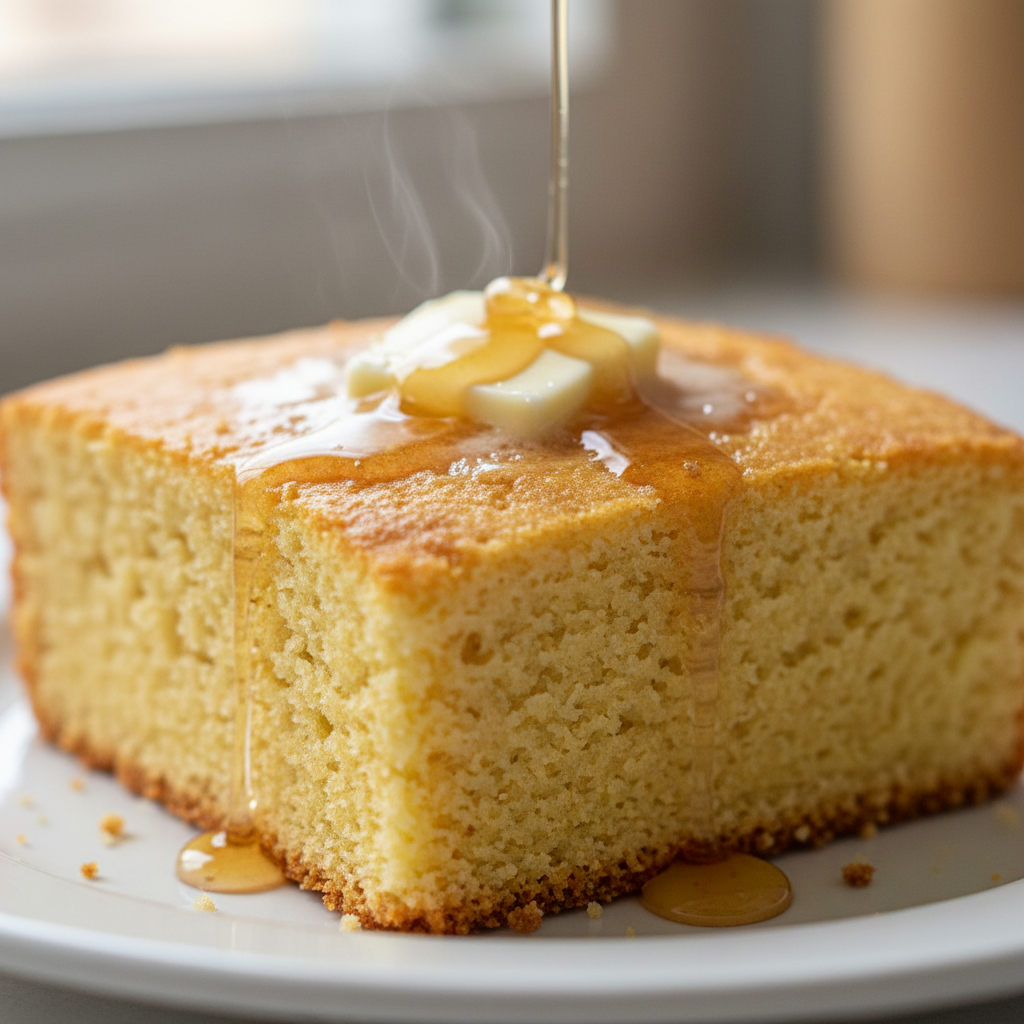

A close-up of a golden-brown wedge of fluffy cornbread recipe, steam gently rising, ready to be enjoyed.

Super Moist Buttermilk Cornbread Recipe: Easy & Tender

Discover the secret to super moist, tender cornbread with this easy recipe. Featuring a buttermilk twist for incredible flavor and texture, it's perfect as a side for chili or any family meal.
Prep Time 15 minutes
Cook Time 40 minutes
Total Time 55 minutes
Servings: 12
Course: Breakfast, Dessert, Side Dish, Snack
Cuisine: American
Calories: 350

Ingredients
  

  • 2 cups flour
  • 1 cup cornmeal
  • 1 cup sugar
  • 1 1/2 tablespoons baking powder
  • 1 teaspoon salt
  • 1/2 cup butter (8 tablespoons), melted
  • 1/2 cup oil
  • 1 1/4 cups milk replace 1/4 cup with buttermilk or thinned plain full-fat yogurt (see notes for DIY)
  • 3 large eggs
  • Honey and extra butter for serving (optional)

Equipment

  • 9x13 inch Baking Pan
  • large bowl
  • medium bowl
  • Whisk
  • Spatula
  • Toothpick
  • Airtight container

Method
 

Prepare Your Pan & Preheat Oven
  1. Preheat your oven to 350 degrees F (175 C). Generously grease a 9x13 inch baking pan, ensuring every corner and side is coated for easy release and crispier edges.
Combine Dry Ingredients
  1. In a large bowl, whisk together the flour, cornmeal, sugar, baking powder, and salt until well combined and free of large lumps, ensuring even distribution of leavening agents.
Mix Wet Ingredients
  1. In a separate medium bowl, combine the melted butter, oil, the milk (or your buttermilk/yogurt mixture as per the recipe's twist), and the three large eggs. Whisk thoroughly until well blended and smooth.
Combine Wet & Dry
  1. Gently add the wet ingredients into the bowl with the dry ingredients. Mix until just combined; a few small lumps are acceptable. Avoid overmixing to prevent a tough texture.
Bake to Golden Perfection
  1. Transfer the batter evenly into your prepared 9x13 inch baking pan and smooth the top. Bake for 35-45 minutes in the preheated oven, until golden-brown and a toothpick inserted into the center comes out clean or with only moist crumbs.
Cool & Serve
  1. Allow the cornbread to cool in the pan for 15-20 minutes before cutting into squares. Serve warm with extra butter and a drizzle of honey if desired, especially while still hot for extra moistness.
Initial Storage
  1. For leftovers, store in an airtight container at room temperature for up to 3 days, or in the refrigerator for up to 1 week to maintain freshness and moisture.

Notes

This recipe for super moist buttermilk cornbread delivers a tender, sweet, Northern-style loaf, perfect with chili or as a delightful snack. The buttermilk twist ensures a light and fluffy crumb every time. For best results, avoid overmixing and let it cool before cutting.
Nutrition information is estimated based on common ingredients and serving sizes and may vary.

Printable Recipe Card

Want just the essential recipe details without scrolling through the article? Get our printable recipe card with just the ingredients and instructions.
Super Moist Buttermilk Cornbread Recipe: Easy & Tender

By:

February 10, 2026

A close-up of a golden-brown wedge of fluffy cornbread recipe, steam gently rising, ready to be enjoyed.

There is nothing quite like the comforting aroma of freshly baked cornbread filling my kitchen. It conjures up images of cozy family meals and simple, delicious pleasures. Today, I am thrilled to share my go-to cornbread recipe, a true game-changer that consistently delivers a super moist and wonderfully tender result. Whether you are craving a warm slice with your favorite stew or looking for the perfect accompaniment to a hearty chili, this easy-to-follow recipe will become a cherished staple in your home.

Why You’ll Love This Recipe

My quest for the perfect cornbread recipe led me to a simple yet powerful twist that makes all the difference. This recipe stands out because it guarantees an incredibly moist texture every single time.

The secret is simple: I replace a quarter cup of regular milk with a quarter cup of buttermilk or even a plain full-fat yogurt, thinned with a splash of milk if it is too thick. This seemingly small adjustment works wonders for the cornbread. The acidity in the buttermilk or yogurt reacts beautifully with the baking powder, boosting its leavening power. This creates a lighter, fluffier crumb that simply melts in your mouth.

The added fat content from the buttermilk or yogurt also contributes to a more tender and moist texture, ensuring your cornbread is never dry. Furthermore, the subtle tang from the acidity perfectly balances the sweetness of the sugar, adding a delightful complexity to the flavor profile. The result is a super moist, sweet, golden, delicious, and crumbly-tender cornbread that is quick to prepare, perfect for any family meal, budget-friendly, and an absolute crowd-pleaser.

Ingredients Needed

All fresh ingredients for a homemade cornbread recipe, including cornmeal, flour, milk, and eggs, laid out on a rustic wooden table.

  • 2 cups flour
  • 1 cup cornmeal
  • 1 cup sugar
  • 1 ½ tablespoons baking powder
  • 1 teaspoon salt
  • ½ cup (8 tablespoons) butter (melted)
  • ½ cup oil
  • 1 ¼ cups milk
  • 3 large eggs
  • honey and extra butter for serving (optional)

Ingredient Notes & Substitutions

Flour: For this cornbread recipe, I always recommend using all-purpose flour. It provides the ideal structure and tenderness. If you have dietary restrictions, a good quality gluten-free flour blend might work, though I have not personally tested it with this specific recipe.

Cornmeal: The type of cornmeal you choose truly impacts the texture of your cornbread. For that perfect balance of structure and crumbly tenderness, I recommend a medium-grind cornmeal. Fine-grind cornmeal can make the cornbread too cake-like, while coarse-grind can make it too crumbly. This recipe uses traditional cornmeal to great effect.

Sugar: Sugar in cornbread does more than just sweeten it; it also contributes to its moistness and helps with browning. This is a sweeter, Northern-style cornbread. If you prefer a less sweet profile, you can reduce the sugar by about a quarter cup. See the FAQ section for more on adjusting sweetness.

Leavening Agents (Baking Powder): Baking powder is our key leavening agent, ensuring a good rise and a light texture. The buttermilk or yogurt in this recipe further enhances the action of the baking powder, contributing to that extra fluffy crumb we are aiming for.

Fat (Butter & Oil): Using a combination of melted butter and oil is essential here. Butter brings a wonderful depth of flavor, while a neutral oil like vegetable or canola oil ensures maximum moisture. The melted fat integrates seamlessly into the batter, contributing to a tender texture.

Milk (Buttermilk/Yogurt): This is where our unique twist comes in! You will replace a quarter cup of the milk with either buttermilk or a thinned plain full-fat yogurt. If you do not have buttermilk on hand, you can easily make your own DIY version by adding one tablespoon of lemon juice or white vinegar to a measuring cup, then filling it with regular milk until it reaches one cup. Let it sit for 5-10 minutes until it slightly curdles before using.

Eggs: Eggs are crucial as a binder in this cornbread recipe. They add richness and moisture, helping to hold the cornbread together and preventing it from becoming overly crumbly, a common mistake many bakers encounter.

How to Make Super Moist Cornbread

Making this super moist cornbread is a straightforward process. Follow these steps carefully for a delicious result.

Prepare Your Pan & Preheat Oven

First things first, preheat your oven to 350 degrees F (175 C). While the oven heats, generously grease a 9×13 inch baking pan. I like to make sure every corner and side is coated. Thorough greasing is incredibly important for easy release once baked and contributes to deliciously crispier edges.

Combine Dry Ingredients

In a large bowl, take your time to whisk together the flour, cornmeal, sugar, baking powder, and salt. You want a well-combined mixture, free of any large lumps, to ensure that the leavening agents are evenly distributed throughout the batter. This step is key for a consistent rise.

Mix Wet Ingredients

In a separate medium bowl, combine the melted butter, oil, the milk (or your buttermilk/yogurt mixture as per our unique twist), and the three large eggs. Whisk these wet ingredients together thoroughly until they are well blended and smooth. This ensures everything is ready to be incorporated evenly.

Combine Wet & Dry

Now, gently add the wet ingredients into the bowl with the dry ingredients. Mix until just combined. The key here is not to overmix; a few small lumps in the batter are perfectly fine and even desirable. Overmixing can develop the gluten in the flour, leading to a tough cornbread instead of the tender texture we are aiming for.

Bake to Golden Perfection

Transfer the batter evenly into your prepared 9×13 inch baking pan. Smooth the top with a spatula if needed. Place it in the preheated oven and bake for 35-45 minutes. You are looking for a beautiful golden-brown top and edges. To check for doneness, insert a toothpick into the center; it should come out clean or with only a few moist crumbs, never wet batter.

Cool & Serve

Once baked, resist the urge to cut into it immediately! Allow the cornbread to cool in the pan for 15-20 minutes before cutting it into squares. This cooling period helps the cornbread set properly, making for much cleaner cuts and preventing any crumbliness. Serve your warm cornbread with extra butter and a drizzle of honey if desired. I often spread honey on top while it is still piping hot for extra moistness and flavor.

Initial Storage

If you happen to have any leftovers, store them in an airtight container at room temperature for up to 3 days, or in the refrigerator for up to 1 week. This ensures your delicious cornbread stays fresh and moist for longer.

Understanding Cornbread Styles & Baking Pans

Let us delve a little deeper into the world of cornbread to understand where this particular cornbread recipe fits in and how to best utilize different baking vessels.

Southern vs. Northern Cornbread: Where This Recipe Fits

There is a delightful, long-standing debate about cornbread styles, primarily between Southern and Northern traditions. Southern-style cornbread is typically made without sugar, often with bacon grease or shortening, and uses a coarser cornmeal for a more savory, crumbly texture. It is dense and often paired with hearty greens or chili. Northern-style cornbread, on the other hand, usually includes sugar and often more flour, resulting in a sweeter, more cake-like, and moist loaf. This recipe, with its generous sugar content and buttermilk twist for added moisture and tenderness, definitely falls into the sweet, moist Northern-style cornbread category. It is perfect for those who enjoy a richer, cake-like texture with a balanced sweetness.

Choosing and Preparing Your Baking Pan

The right baking pan and proper preparation can elevate your cornbread experience, especially if you are aiming for a crispy crust.

9×13 Inch Baking Pan: This recipe is perfectly designed for a standard 9×13 inch baking pan, and the specified baking times reflect this. It yields a good-sized loaf perfect for sharing.

Cast Iron Skillet: For a truly exceptional crispy crust, a cast iron skillet is my secret weapon. To achieve this, preheat your cast iron skillet with a tablespoon or two of butter or oil in the oven while it preheats. Once hot, carefully pour your batter into the sizzling fat. This creates a beautifully crispy bottom and sides. You can grease it with butter, shortening, or even bacon grease for extra savory flavor.

Muffin Tin: If you prefer individual portions, cornbread muffins are a fantastic option. For muffin tins, I suggest baking at a slightly higher temperature, around 400F (200C), for a shorter duration, typically 18-25 minutes. Make sure to grease each cavity thoroughly or use paper liners to prevent sticking.

Glass Baking Dish: While metal pans conduct heat more efficiently, a glass baking dish retains heat differently. You might find that cornbread baked in a glass dish requires a slight adjustment to the baking time, often needing a few extra minutes. Always grease glass dishes carefully to ensure easy release.

Best Way to Grease the Pan: Beyond just greasing, consider the type of fat. Butter offers a rich flavor, while oil or shortening are also effective. For an extra special touch and to prevent sticking, you can even dust the greased pan with a light layer of cornmeal before adding the batter. This adds a delightful crunch to the crust.

Pro Tips & Troubleshooting

Even the best recipes can benefit from a few expert insights and a guide to avoiding common pitfalls. Here are my top tips and troubleshooting advice for perfect cornbread.

Pro Tips for Perfect Cornbread

Do not Overmix: This is perhaps the most critical tip for tender cornbread. Mix the wet and dry ingredients only until they are just combined. A few small lumps are perfectly acceptable. Overmixing develops gluten, which leads to a tough, dry texture, a common cornbread mistake.

Accurate Measuring: Proper measurement of dry ingredients, especially flour and cornmeal, is vital. Spooning and leveling flour ensures you do not add too much, which can throw off the moisture balance and result in a crumbly cornbread.

Room Temperature Ingredients: Using eggs and buttermilk or milk at room temperature ensures they incorporate smoothly into your batter. This helps create a more even crumb and a better rise for your cornbread.

The Buttermilk Advantage: Remember our unique buttermilk or yogurt twist. The acidity in buttermilk reacts with the baking powder, contributing significantly to that coveted moisture, tenderness, and a lighter crumb that defines this cornbread recipe.

Preheat Your Pan (Especially Cast Iron): As mentioned, for an undeniably crispy crust, especially when using a cast iron skillet, preheat it with a little fat in the oven. This creates an immediate sear on the batter.

Cool Before Cutting: Patience is a virtue when it comes to cornbread. Allowing it to cool for the recommended time in the pan helps it set, resulting in cleaner, less crumbly cuts and a more stable structure.

Golden-Brown Doneness: Do not pull your cornbread out too early. A rich, golden-brown color on top, coupled with a clean toothpick (or one with only moist crumbs, not wet batter) when inserted into the center, are the best indicators of perfectly baked cornbread.

Honey While Hot: For the ultimate moistness and a lovely glaze, drizzle a little honey over your hot cornbread straight from the oven. It soaks in beautifully.

Common Cornbread Mistakes to Avoid

Too Much Flour or Wrong Type: Using too much flour, or the wrong type of flour, can lead to dry and crumbly cornbread. Stick to all-purpose flour and use proper measuring techniques, like the spoon and level method, to ensure accuracy.

Too Much Cornmeal: While cornmeal is essential, excessive amounts can make your cornbread too crumbly because it lacks the gluten that flour provides to bind the batter. Follow the specified quantity and opt for a medium grind for the best texture.

Not Using Eggs: Eggs are a crucial binder in cornbread. Without them, or with too few, your cornbread can fall apart easily. They also add richness and moisture, so do not skip them.

Overbaking: This is a primary culprit for dry cornbread. Keep a close eye on your baking time and start checking for doneness a few minutes before the minimum suggested time, especially if your oven runs hot.

Gummy Texture or Sinking Center: If your cornbread is gummy or has a sinking center, it is often a sign of underbaking, too much liquid, or insufficient or old leavening agents. Ensure your oven temperature is accurate and that your baking powder is fresh.

Tough Texture from Overmixing: As emphasized in the tips, overmixing develops the gluten in the flour, making the cornbread tough instead of tender and fluffy. Mix only until the ingredients are just combined.

Serving & Storage

Now that you have perfected your super moist cornbread, let us talk about the best ways to enjoy and preserve it.

Delicious Serving Ideas

This cornbread recipe is incredibly versatile and pairs beautifully with a variety of dishes.

Classic Pairings: My favorite way to serve it is simply warm with a generous smear of butter and a drizzle of honey. It also shines with various fruit jams and jellies for a delightful breakfast or snack.

Savory Companions: This cornbread is the ultimate companion to hearty savory meals. It is a must-have with a big bowl of chili, perfect alongside roast chicken, turkey, or pork. It is also exceptional when served with warming soups and stews, soaking up all the delicious juices.

Creative Toppings: Elevate your cornbread with a sprinkle of flaky sea salt for a sweet-and-savory contrast, fresh herbs like chives or rosemary, or a dollop of cool sour cream for added creaminess.

Storage & Reheating Instructions

Proper storage ensures your homemade cornbread remains fresh and delicious for as long as possible.

Room Temperature Storage: Leftover cornbread can be stored in an airtight container at room temperature for up to 3 days. This is great for quick access throughout the week.

Refrigeration: For extended freshness, place your cornbread in an airtight container and store it in the refrigerator for up to 1 week. This is especially good in warmer climates.

Freezing: Cornbread freezes beautifully! Once completely cooled, wrap individual slices or the entire loaf tightly in plastic wrap, then in a layer of aluminum foil or a freezer-safe bag. It can be stored in the freezer for up to 2-3 months. Thaw at room temperature for a few hours or overnight in the refrigerator before reheating.

Reheating Leftovers: To restore your cornbread to its freshly baked glory, I recommend a few methods:

  • Oven: For the best results, wrap individual slices or the whole loaf in aluminum foil and heat at 300°F (150°C) for 10-15 minutes, or until warmed through. For a crisper crust, you can reheat it directly on a baking sheet for a shorter time.
  • Microwave: This is the quickest method for individual slices, taking about 30-60 seconds. Be aware that microwaving may soften the crust.
  • Air Fryer: For small pieces, heat in an air fryer at 300°F (150°C) for a few minutes until warmed through and slightly crisped.

Conclusion

I am confident that this super moist cornbread recipe, with its special buttermilk twist, will become a beloved staple in your home. The balanced flavor and incredibly tender texture truly set it apart, making it a joy to bake and even more delightful to eat. It is an easy cornbread recipe to master, perfect for both beginners and seasoned cooks alike.

Do not hesitate to try out the recommended variations and serving ideas to make it your own. Whether you serve it with a hearty chili, a simple pat of butter, or a drizzle of golden honey, this cornbread is sure to bring warmth and comfort to your table. I encourage you to print this recipe, share it with friends, and explore other comforting food recipes on my blog. Happy baking!

FAQ

Why does my cornbread crumble and how can I prevent it?

Cornbread often crumbles due to over-mixing the batter, using too much cornmeal relative to flour, or insufficient fat or eggs in the recipe. To prevent this, ensure you mix until just combined, use the specified quantities for ingredients, and do not skip the eggs, as they act as a crucial binder.

What are the best add-ins to customize my cornbread recipe?

This cornbread recipe is wonderful for customization! For savory twists, try adding shredded cheddar cheese, diced jalapenos (fresh, candied, or pickled), green chilies, whole kernel corn, minced garlic, chives, rosemary, thyme, or crumbled bacon. For sweeter variations, orange zest or dried cranberries are delightful additions.

Can I use different baking pans like glass dishes or cast iron skillets for cornbread?

Absolutely! This recipe works well in various baking pans. For a crispy crust, preheat a cast iron skillet with butter or oil in the oven before adding the batter. Glass dishes might require a slight adjustment to baking time, often a few minutes longer, due to how they retain heat. For muffin tins, bake at a slightly higher temperature for a shorter duration, remembering to grease each cavity thoroughly.

How long does homemade cornbread last and what are the best storage methods?

Homemade cornbread lasts for up to 3 days when stored in an airtight container at room temperature. In the refrigerator, it can stay fresh for up to 1 week. For longer storage, wrap it tightly and freeze it for 2-3 months. Thaw at room temperature or reheat from frozen.

What dishes pair well with sweet and moist cornbread?

This sweet and moist cornbread pairs beautifully with classic comfort foods. It is excellent with chili, roast chicken, turkey, or pork. It is also a perfect accompaniment to a variety of soups and stews. For a simple treat, serve it with butter, honey, or your favorite jams.

How can I adjust the sweetness level of this cornbread recipe?

While this is a sweeter Northern-style cornbread recipe, you can easily adjust the sweetness. Simply reduce the amount of sugar by about a quarter cup if you prefer a less sweet profile. The subtle tang from the buttermilk twist in this recipe also helps to naturally balance the sweetness.

What kind of flour should I use for cornbread?

For this cornbread recipe, I recommend using all-purpose flour. It helps achieve a tender and consistent crumb, providing the perfect structure for the moist texture.

How to troubleshoot dry cornbread?

Dry cornbread is most commonly caused by overbaking or an insufficient amount of fat or moisture in the recipe. This particular recipe combats dryness with its buttermilk twist and a good amount of fat. To prevent dry cornbread, pay close attention to the baking times and check for doneness early with a toothpick. Ensure you are not using too much flour.


A close-up of a golden-brown wedge of fluffy cornbread recipe, steam gently rising, ready to be enjoyed.

Super Moist Buttermilk Cornbread Recipe: Easy & Tender

Discover the secret to super moist, tender cornbread with this easy recipe. Featuring a buttermilk twist for incredible flavor and texture, it's perfect as a side for chili or any family meal.
Prep Time 15 minutes
Cook Time 40 minutes
Total Time 55 minutes
Servings: 12
Course: Breakfast, Dessert, Side Dish, Snack
Cuisine: American
Calories: 350

Ingredients
  

  • 2 cups flour
  • 1 cup cornmeal
  • 1 cup sugar
  • 1 1/2 tablespoons baking powder
  • 1 teaspoon salt
  • 1/2 cup butter (8 tablespoons), melted
  • 1/2 cup oil
  • 1 1/4 cups milk replace 1/4 cup with buttermilk or thinned plain full-fat yogurt (see notes for DIY)
  • 3 large eggs
  • Honey and extra butter for serving (optional)

Equipment

  • 9x13 inch Baking Pan
  • large bowl
  • medium bowl
  • Whisk
  • Spatula
  • Toothpick
  • Airtight container

Method
 

Prepare Your Pan & Preheat Oven
  1. Preheat your oven to 350 degrees F (175 C). Generously grease a 9x13 inch baking pan, ensuring every corner and side is coated for easy release and crispier edges.
Combine Dry Ingredients
  1. In a large bowl, whisk together the flour, cornmeal, sugar, baking powder, and salt until well combined and free of large lumps, ensuring even distribution of leavening agents.
Mix Wet Ingredients
  1. In a separate medium bowl, combine the melted butter, oil, the milk (or your buttermilk/yogurt mixture as per the recipe's twist), and the three large eggs. Whisk thoroughly until well blended and smooth.
Combine Wet & Dry
  1. Gently add the wet ingredients into the bowl with the dry ingredients. Mix until just combined; a few small lumps are acceptable. Avoid overmixing to prevent a tough texture.
Bake to Golden Perfection
  1. Transfer the batter evenly into your prepared 9x13 inch baking pan and smooth the top. Bake for 35-45 minutes in the preheated oven, until golden-brown and a toothpick inserted into the center comes out clean or with only moist crumbs.
Cool & Serve
  1. Allow the cornbread to cool in the pan for 15-20 minutes before cutting into squares. Serve warm with extra butter and a drizzle of honey if desired, especially while still hot for extra moistness.
Initial Storage
  1. For leftovers, store in an airtight container at room temperature for up to 3 days, or in the refrigerator for up to 1 week to maintain freshness and moisture.

Notes

This recipe for super moist buttermilk cornbread delivers a tender, sweet, Northern-style loaf, perfect with chili or as a delightful snack. The buttermilk twist ensures a light and fluffy crumb every time. For best results, avoid overmixing and let it cool before cutting.
Nutrition information is estimated based on common ingredients and serving sizes and may vary.

Printable Recipe Card

Want just the essential recipe details without scrolling through the article? Get our printable recipe card with just the ingredients and instructions.
A fan favorite!

One-Pot Kielbasa Pasta: The Toasted Pasta Secret for Flavor!

One-Pot Kielbasa Pasta: The Toasted Pasta Secret for Flavor!

February 7, 2026

Discover hearty and easy kielbasa pasta recipes perfect for weeknight dinners. Explore savory sausage and pasta dishes the whole family will love.

The Best Chewy Oatmeal Chocolate Chip Cookie Recipe Ever

The Best Chewy Oatmeal Chocolate Chip Cookie Recipe Ever

February 3, 2026

Oatmeal chocolate chip cookie recipe secrets include brown butter and a special rest time for the ultimate chew. Discover why your cookies often go flat.

The Ultimate Gourmet Chocolate Covered Strawberries Recipe

The Ultimate Gourmet Chocolate Covered Strawberries Recipe

February 2, 2026

Chocolate covered strawberries get a professional upgrade with our secret flavor booster. Discover the technique that prevents leaks and ensures a perfect snap.

Master Onion Soup With This Secret Umami Butter Twist

Master Onion Soup With This Secret Umami Butter Twist

February 1, 2026

Onion soup reaches new heights when you add one surprising fermented ingredient to your butter. Discover why chefs are stunned by this savory depth and the one mistake that ruins the crust.

The Most Flavorful Hamburger Vegetable Soup Ever Created

The Most Flavorful Hamburger Vegetable Soup Ever Created

February 1, 2026

Hamburger vegetable soup becomes legendary with our secret umami infusion. Discover the Maillard reaction trick and the one mistake that ruins your broth.

Create The Best Onion Soup Mix Recipe for Amazing Umami Flavor

Create The Best Onion Soup Mix Recipe for Amazing Umami Flavor

February 1, 2026

Onion soup mix recipe secrets are finally revealed with a hidden umami ingredient that beats store-bought packets. Discover the simple way to prevent clumping.

Crispy Air Fryer Chicken Thighs: Your New Favorite Weeknight Meal

Crispy Air Fryer Chicken Thighs: Your New Favorite Weeknight Meal

January 15, 2026

Quick, crispy, and juicy air fryer chicken thighs. Master this easy recipe for perfectly cooked chicken every time. Ideal for weeknight dinners!

Crispy Garlic Chicken Wraps: Lemon-Dill Twist & Easy Recipe

Crispy Garlic Chicken Wraps: Lemon-Dill Twist & Easy Recipe

January 7, 2026

Savor delicious garlic chicken wraps! Perfect for a quick lunch or dinner, these flavorful wraps are easy to make and packed with savory goodness.

Ultimate Crispy Chicken Wraps: Your Go-To Recipe for Lunch & Dinner

Ultimate Crispy Chicken Wraps: Your Go-To Recipe for Lunch & Dinner

January 7, 2026

Learn to make delicious crispy chicken wraps perfect for lunch or dinner. Get the best recipe for crunchy, flavorful wraps at home.

Juicy Grilled Chicken Wraps: 15-Min Marinade & Spicy Ranch

Juicy Grilled Chicken Wraps: 15-Min Marinade & Spicy Ranch

January 7, 2026

Master delicious grilled chicken wraps! Perfect for quick lunches or easy dinners, discover flavorful recipes the whole family will love.

Leave a Comment

Recipe Rating