Skip to content
Homemade candied citrus is a hallmark of sophisticated baking and holiday gifting. This guide focuses on the ultimate Candied Orange Peel Recipe, transforming humble fruit skins into jewel-toned, chewy delights. Whether you are looking to garnish a high-end cocktail or add texture to a classic panettone, this method ensures a professional, translucent finish every time by satisfying the informational need for a reliable, non-bitter result.
Why You Will Love This Recipe
The Acid-Brightened Inversion Method: Unlike many recipes that result in grainy, hard peels, my method incorporates a secret ingredient to actively prevent sugar crystallization, ensuring a smooth finish. I’ve learned that this simple addition guarantees a professional, glossy texture every time.
Superior Texture and Flavor: The unique acid agent in our syrup doesn’t just prevent graininess, it also brilliantly cuts through the sweetness, making the orange flavor taste incredibly bright and vibrant. You’ll achieve a tender, chewy bite that truly melts in your mouth.
Crystal-Clear Results: This precise technique ensures your orange peels remain beautifully supple and translucent, resembling exquisite high-end confectionery. Imagine jewel-toned strips, ready to elevate any dessert or festive drink.
Ingredients Needed
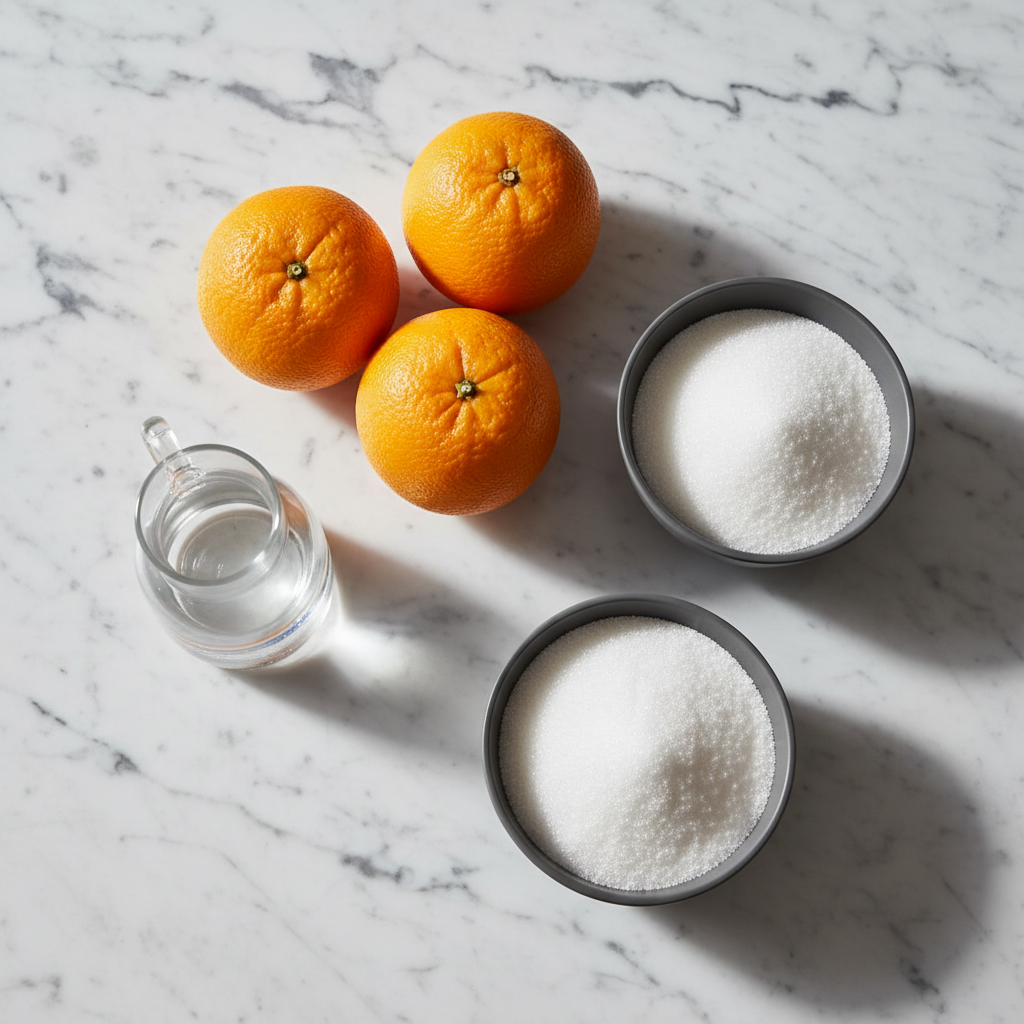
Gathering the right components is the first step to creating these delightful candied orange peels. Simplicity is key, but the quality of each ingredient truly makes a difference in the final product.
Ingredients
- 3 large oranges
- 2 cups granulated sugar
- 1 cup water
- Fine granulated sugar for coating
Ingredient Notes and Substitutions
Citrus Selection: For the best results, I always recommend using organic oranges, as we are consuming the entire skin. Navel oranges are fantastic here because their thicker albedo, or white pith, offers a meatier, more satisfying chew. Valencia oranges will also work, but keep in mind they may require slightly less simmering time due to their thinner peels.
Acid Agent: You’ll want to have 1/4 teaspoon of cream of tartar or 1 teaspoon of lemon juice ready for our special syrup stage. This ingredient is the unsung hero, ensuring our peels achieve that perfect, non-grainy translucency.
Sugar Types: While standard granulated sugar is perfect for the syrup, for the final coating, consider using superfine (caster) sugar. It adheres beautifully to the hot peels, creating a delicate, sparkling finish.
How to Make Candied Orange Peels
Creating these beautiful candied orange peels is a culinary meditation, a process that rewards patience with exquisite results. Follow these steps for translucent, chewy perfection.
Prepping the Oranges and Blanching
- To begin, take your beautiful citrus fruits and slice off both ends. Then, score the peel of each orange into four or more vertical segments, depending on the fruit’s size, before carefully peeling off each segment of rind.
- Once you have your segments, slice the peels into uniform 1/4 inch wide strips. This precision ensures even cooking and a consistent, elegant appearance.
- Next, place the sliced peels in a pot of cold water and bring them to a gentle boil for 15 minutes. This crucial cold-water start is essential for encouraging the pith to release its intense bitterness.
- After the first boil, drain the peels thoroughly in a colander, rinse them well under cold water, and drain again. You will repeat this entire process two more times with fresh, cold water, completing three blanching cycles to ensure all bitterness is removed.
Crafting the Inversion Syrup and Simmering
- In the same pot (now clean), combine 1 cup of fresh water, 2 cups of granulated sugar, and your chosen acid agent, whether it’s cream of tartar or lemon juice. Bring this mixture to a boil for about 2 minutes, stirring gently until the sugar is fully dissolved and the syrup is clear.
- Add your blanched citrus peels to the bubbling syrup and immediately reduce the heat to low. Let them simmer patiently for 45 to 60 minutes. It’s important not to stir vigorously; instead, gently swirl the pot occasionally to prevent sugar crystals from clinging to the sides.
- Keep a close eye on the peels for what I call the “windowpane” effect, where they become beautifully translucent. For accuracy, use a candy thermometer to ensure the syrup reaches the soft ball stage, which is between 235-240°F (113-116°C).
Coating and Drying for Perfection
- Once the peels are translucent, use a slotted spoon to carefully remove them from the hot syrup, allowing any excess to drip back into the pot. Immediately toss these hot, wet peels in a bowl of fine granulated sugar until they are thoroughly coated and sparkling.
- Finally, spread your sugar-coated peels in a single layer on a wire rack. Allow them to dry undisturbed for 1 to 2 days until they are no longer tacky but still delightfully chewy.
Mastering the Science of Perfect Citrus Confections
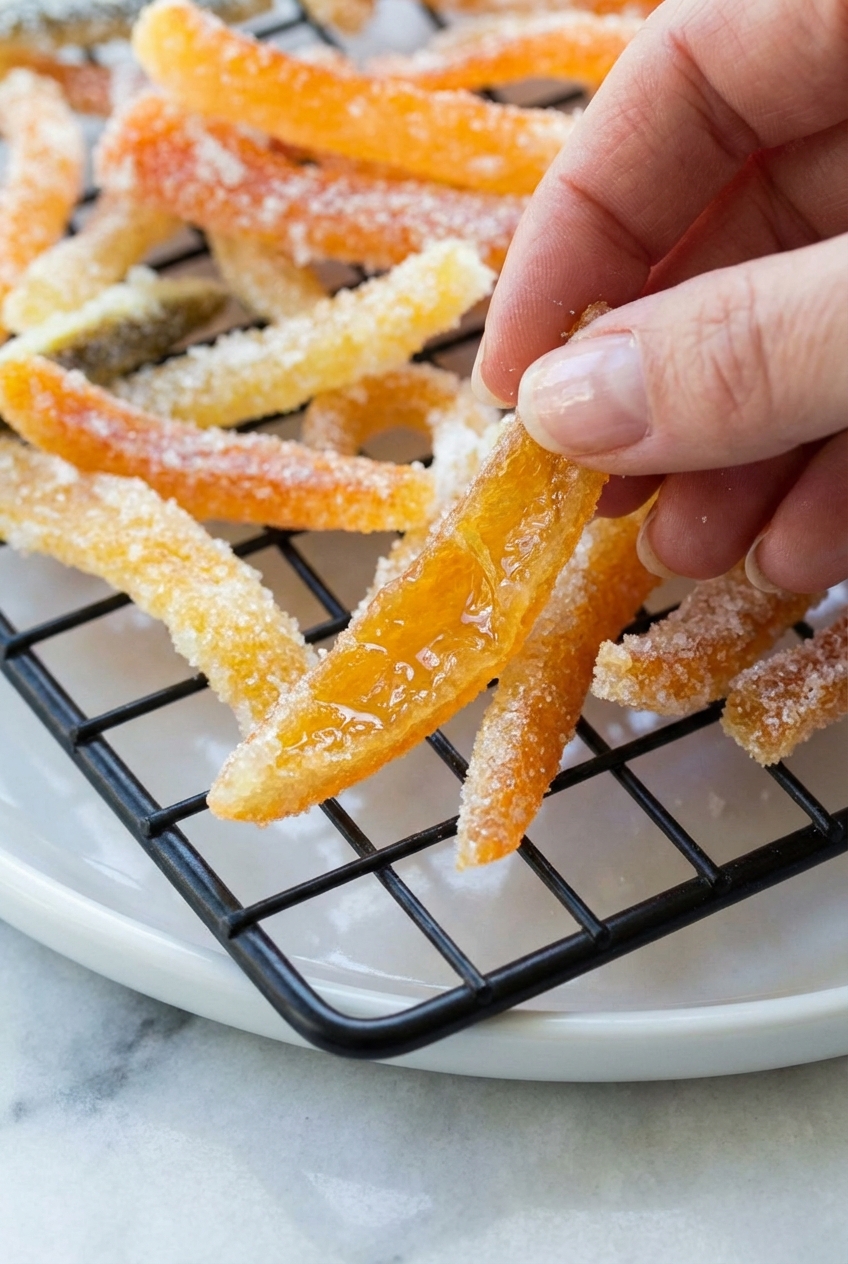
Achieving truly professional candied orange peels goes beyond just following steps; it involves understanding the subtle science at play. Knowing these nuances will elevate your results every time.
Altitude Adjustments: If you live at a higher altitude, remember that water boils at a lower temperature. For candy making, you may need to adjust the target soft ball stage temperature, lowering it by about 2 degrees Fahrenheit for every 1,000 feet of elevation.
Navel vs. Valencia Dynamics: The type of orange you choose impacts the simmering time. Navel oranges boast a thicker albedo, which makes them more resilient and forgiving during the long simmer. Conversely, if you’re working with thin-skinned Valencia oranges, start checking for that beautiful translucency around the 40-minute mark to prevent overcooking.
The Windowpane Test: To truly ensure your peels are perfectly cooked, hold a single strip up to a light source. It should resemble stained glass, allowing light to pass through. If the center still appears white and opaque, the peels need a little more time to absorb the syrup and promote sugar inversion, ensuring optimal texture.
Pro Tips and Troubleshooting
Even seasoned chefs have tricks up their sleeves, and knowing what to avoid can save your batch of candied peels from common pitfalls.
Professional Chef Tips
- Swirl, Don’t Stir: Once the peels are immersed in the sugar syrup, resist the urge to stir with a spoon. Vigorous stirring can introduce air and lead to undesirable sugar crystallization. Instead, gently swirl the pan to move the peels around.
- Zero Waste: Don’t discard that incredible orange-infused syrup! It’s fantastic for enhancing cocktails, sweetening tea, or drizzling generously over a simple pound cake for an extra burst of citrus flavor.
- Cold Water Starts: Always initiate your blanching cycles with cold water. This method is crucial for efficiently drawing out the bitter compounds and essential oils from the pith, ensuring a sweet, mellow final product.
Common Mistakes to Avoid
- Under-Blanching: Skipping the third boil cycle nearly always results in a harsh, unpleasantly bitter aftertaste that even copious sugar cannot mask.
- Over-Boiling the Syrup: If your syrup cooks past the soft ball stage, your beautiful peels will become rock-hard and brittle once cooled, rather than chewy and pliable.
- Discarding the Fruit: After carefully peeling your oranges, make sure to juice or eat the ‘nude’ fruit immediately to prevent waste and enjoy its fresh flavor.
Serving and Storage
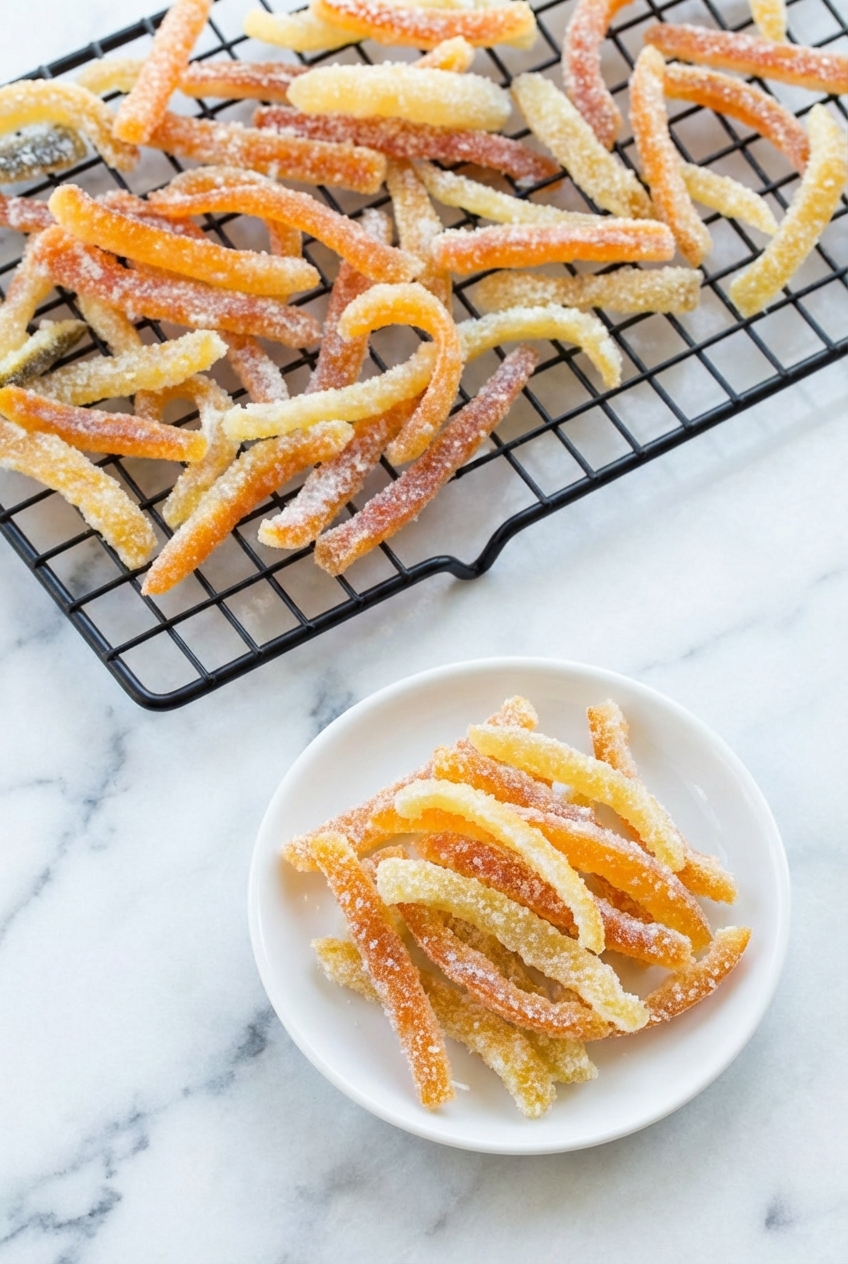
Once your candied orange peels are perfectly dried and ready, the possibilities are endless for enjoying these gourmet delights.
Creative Serving Ideas
- Chocolate-Dipped Luxuries: For an extra touch of indulgence, dip half of each dried peel into tempered dark chocolate, then finish with a tiny pinch of flaky sea salt. These pair wonderfully with a rich fudgy brownie recipe.
- Cocktail Garnish: Elevate any drink by using a single strip as a sophisticated garnish for an Old Fashioned, Negroni, or even a festive Christmas mule recipe.
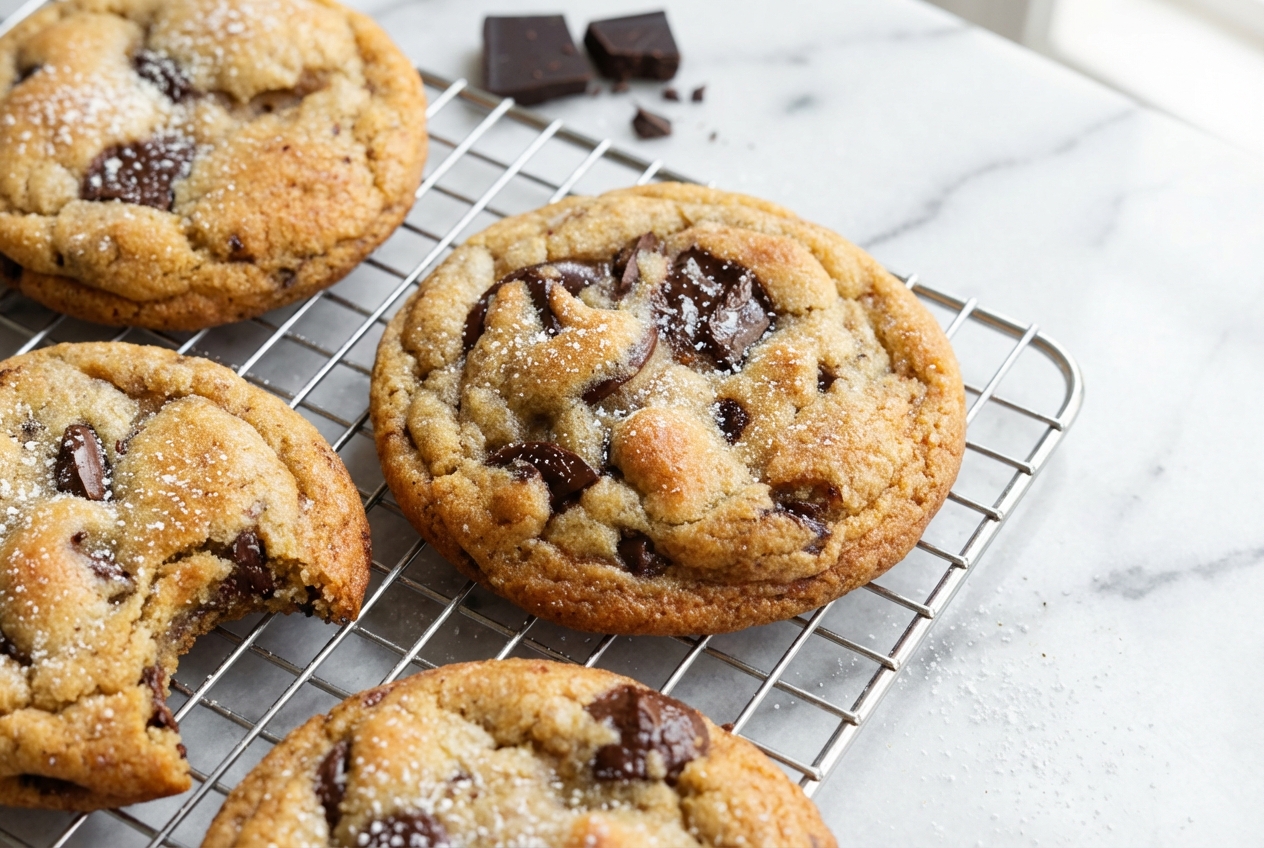
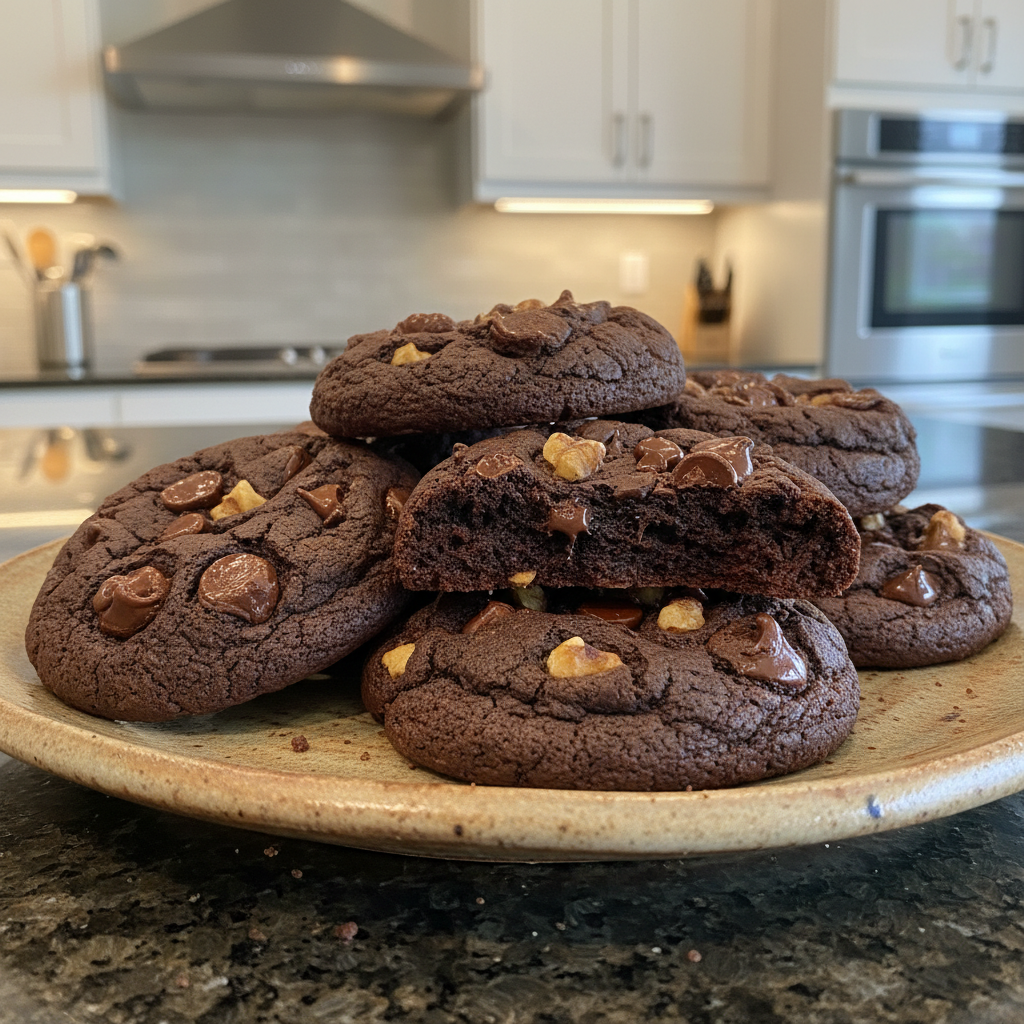
- Baking Ingredient: Finely dice the peels and fold them into shortbread dough for a burst of citrus, or incorporate them into a classic Christmas panettone recipe for a truly professional holiday bake. They are also a fantastic addition to homemade chocolate chip cookies.
Storage and Make-Ahead Instructions
- Room Temperature: Your beautifully candied peels can be stored in an airtight container at room temperature for up to 4 weeks, making them a perfect make-ahead treat.
- Freezing: For even longer enjoyment, candied peels freeze beautifully. Simply place them in a freezer-safe bag or container, and they’ll keep for up to 6 months.
- Troubleshooting Hard Peels: If your peels happen to become too hard after drying, a little trick is to place them in a jar with a slice of fresh bread for 24 hours. The bread will re-introduce a slight amount of moisture, softening the peels without making them sticky.
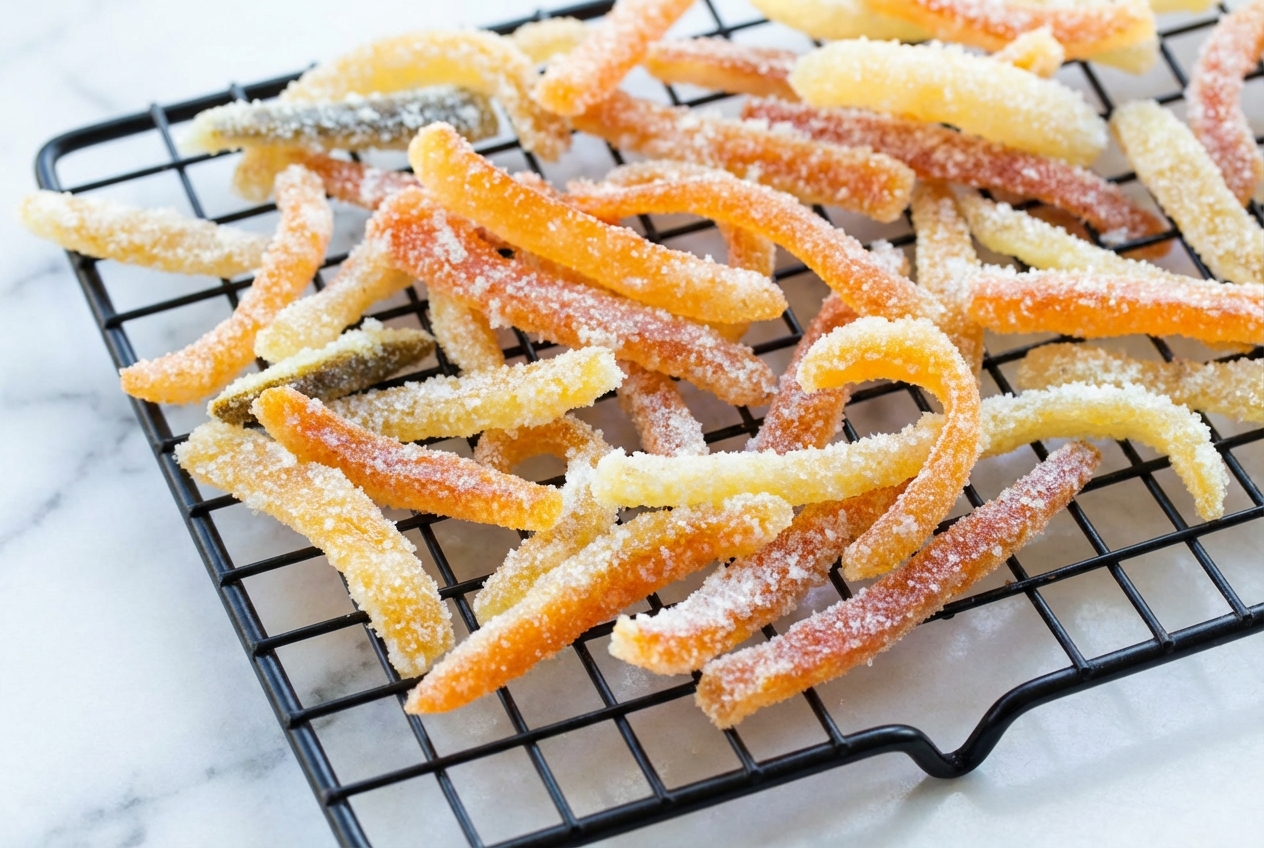

Professional Candied Orange Peel Recipe
Ingredients
Equipment
Method
- Slice off both ends of the oranges and score the peel into four or more vertical segments before carefully peeling each segment of rind away from the fruit.
- Slice the peels into uniform 1/4 inch wide strips to ensure even cooking and a consistent appearance.
- Place the strips in a pot of cold water and bring to a gentle boil for 15 minutes to help the pith release its bitterness.
- Drain the peels in a colander, rinse under cold water, and repeat the blanching process two more times with fresh cold water for a total of three cycles.
- In a clean pot, combine 1 cup fresh water, 2 cups granulated sugar, and your acid agent (1/4 tsp cream of tartar or 1 tsp lemon juice). Boil for 2 minutes until clear.
- Add the blanched peels to the syrup, reduce heat to low, and simmer for 45 to 60 minutes. Swirl the pot occasionally instead of stirring to prevent crystallization.
- Monitor the peels for translucency; use a candy thermometer to ensure the syrup reaches the soft ball stage between 235-240°F (113-116°C).
- Use a slotted spoon to remove the translucent peels from the syrup, allowing excess to drip off, and immediately toss them in a bowl of fine granulated sugar.
- Spread the sugar-coated peels in a single layer on a wire rack and let them dry undisturbed for 1 to 2 days until they are no longer tacky.
Notes
Conclusion
Mastering this Candied Orange Peel Recipe allows you to create a versatile, gourmet treat that far surpasses store-bought versions. By using the acid-brightened inversion method, you ensure a professional texture and a flavor profile that perfectly balances sweetness with vibrant citrus zest. Embrace the process, and you’ll find yourself with a pantry staple ready to elevate everything from everyday desserts to holiday celebrations.
Frequently Asked Questions
How many times should I blanch the peels to remove bitterness?
Three times is truly the gold standard for removing bitterness. While some quick recipes suggest a single blanch, completing three cycles ensures that even the thickest pith is rendered mild and sweet, guaranteeing a delicious candied peel.
Can I freeze candied orange peel for later use?
Yes, absolutely! Once your peels are dried and thoroughly coated in sugar, place them in a freezer-safe bag or container. They will maintain their fresh flavor and delightful chewiness for up to six months, ready whenever you need them.
What is the best way to dry the peels without them getting dusty?
To ensure your peels dry beautifully without collecting dust, spread them on a wire rack placed inside a cold oven (turned off, of course). Alternatively, you can cover them loosely with a layer of cheesecloth, which allows for crucial airflow while protecting them.
Why did my orange peels turn out hard and crunchy instead of chewy?
This common issue usually indicates that the sugar syrup was boiled for too long or at too high a temperature. If the syrup progresses beyond the soft ball stage, into the hard ball or crack stage, your peels will unfortunately become brittle rather than delightfully chewy.
Is it necessary to use organic oranges for this recipe?
While not strictly “necessary,” using organic oranges is highly recommended for this recipe. Since you are consuming the skin, which is where pesticide residues are most concentrated, opting for organic oranges ensures both safety and the purest, most natural citrus flavor.
Printable Recipe Card
Want just the essential recipe details without scrolling through the article? Get our printable recipe card with just the ingredients and instructions.